



Can a rhinitis treatment instrument be used for hypertrophic rhinitis?
Hypertrophic rhinitis is a chronic nasal condition characterized by the thickening of the nasal mucosa and underlying tissues. This thickening can lead to significant nasal obstruction, difficulty breathing, and other discomforts. As a supplier of rhinitis treatment instruments, I often receive inquiries about whether our devices can be effective for hypertrophic rhinitis. In this blog post, I will explore this question in detail and provide some insights based on scientific knowledge and our product features.
Understanding Hypertrophic Rhinitis
Hypertrophic rhinitis can be caused by a variety of factors, including long - term exposure to irritants such as dust, smoke, and chemical fumes, repeated nasal infections, and allergic reactions. The thickening of the nasal tissues can be either due to an increase in the number of cells (hyperplasia) or an increase in the size of individual cells (hypertrophy). This results in a narrowing of the nasal passages, which restricts airflow and causes symptoms like nasal congestion, snoring, and reduced sense of smell.
How Rhinitis Treatment Instruments Work
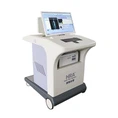
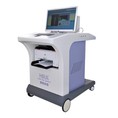
Our Rhinitis Treatment Instrument is designed to address various types of rhinitis by utilizing advanced technologies. Most of our instruments work on the principle of physical therapy. For example, some use low - level laser therapy to stimulate blood circulation in the nasal mucosa. Improved blood circulation can help reduce inflammation, relieve congestion, and promote the repair of damaged tissues.
Other instruments may use gentle vibration or ultrasonic waves. Vibration can help loosen mucus in the nasal cavity, making it easier to expel, while ultrasonic waves can have a soothing effect on the irritated nasal tissues and enhance the body's natural immune response.
The Potential of Rhinitis Treatment Instruments for Hypertrophic Rhinitis
When it comes to hypertrophic rhinitis, the main challenge is to reduce the thickening of the nasal tissues and improve nasal patency. While our rhinitis treatment instruments cannot completely reverse the structural changes in the nasal tissues that have already occurred in severe cases of hypertrophic rhinitis, they can still play a significant role in managing the symptoms.
Symptom Relief
One of the most common and bothersome symptoms of hypertrophic rhinitis is nasal congestion. Our instruments can help alleviate this symptom by promoting blood circulation and reducing inflammation in the nasal mucosa. For instance, the low - level laser therapy in our Apparatus for Relieving Rhinitis can increase the oxygen supply to the tissues, which helps reduce swelling and makes breathing easier.


The loosening of mucus through vibration or other physical means can also contribute to better nasal airflow. By clearing the nasal passages of excessive mucus, the instruments can provide immediate relief from congestion and improve the overall quality of life for patients with hypertrophic rhinitis.
Reducing Inflammation
Inflammation is a key factor in hypertrophic rhinitis. Chronic inflammation can lead to the continuous thickening of the nasal tissues. Our rhinitis treatment instruments are capable of modulating the body's inflammatory response. They can stimulate the release of anti - inflammatory cytokines and inhibit the production of pro - inflammatory mediators. This anti - inflammatory effect can slow down the progression of the disease and prevent further thickening of the nasal tissues.
Enhancing Immunity
A strong immune system is crucial for fighting off infections and maintaining the health of the nasal mucosa. Our Allergic Sneezing Treatment Device and other rhinitis treatment instruments can enhance the immune function in the nasal area. By promoting the activity of immune cells such as macrophages and lymphocytes, the instruments can help the body better defend against pathogens and reduce the frequency of nasal infections, which are often associated with hypertrophic rhinitis.
Limitations and Complementary Treatments
It is important to note that while our rhinitis treatment instruments can be effective in managing the symptoms of hypertrophic rhinitis, they may not be a standalone solution for severe cases. In some instances where the thickening of the nasal tissues is very significant and causes persistent and severe nasal obstruction, surgical intervention may be required.
However, our instruments can still be used as a complementary treatment before and after surgery. Before surgery, they can help improve the patient's nasal condition, making the surgical procedure more successful. After surgery, the instruments can aid in the recovery process by reducing inflammation, promoting tissue repair, and preventing recurrence of the symptoms.
Case Studies
We have received feedback from many patients with hypertrophic rhinitis who have used our rhinitis treatment instruments. For example, Mr. Smith, a 45 - year - old patient, had been suffering from severe nasal congestion due to hypertrophic rhinitis for several years. He had tried various medications with limited success. After using our rhinitis treatment instrument for two months, he reported a significant improvement in his breathing. His nasal congestion was reduced, and he was able to sleep better at night.
Another patient, Mrs. Johnson, had a history of recurrent nasal infections associated with her hypertrophic rhinitis. After using our device for three months, the frequency of her infections decreased, and she felt more energetic during the day.
Conclusion
In conclusion, our rhinitis treatment instruments can be a valuable option for patients with hypertrophic rhinitis. They can provide effective symptom relief, reduce inflammation, and enhance the immune function in the nasal area. While they may not be a cure - all for severe cases, they can be used as a complementary treatment or as a long - term management solution for mild to moderate hypertrophic rhinitis.
If you or someone you know is suffering from hypertrophic rhinitis and is interested in learning more about our rhinitis treatment instruments, we encourage you to contact us for a detailed discussion. We are committed to providing high - quality products and professional advice to help you manage your rhinitis effectively.
References
- "Nasal Physiology and Pathophysiology" by Peter S. H. Hwang, et al.
- "Allergic Rhinitis and its Impact on Asthma (ARIA)" guidelines.
- Research papers on low - level laser therapy and physical therapy for nasal diseases published in relevant medical journals.