





Are pulse magnetic field mats regulated by any standards?
As a supplier of pulse magnetic field (PMF) mats, I often get asked about the regulatory standards governing these products. In this blog post, I'll delve into the current state of regulations surrounding PMF mats, discuss the importance of standards, and how they impact both suppliers and consumers.

Understanding Pulse Magnetic Field Mats
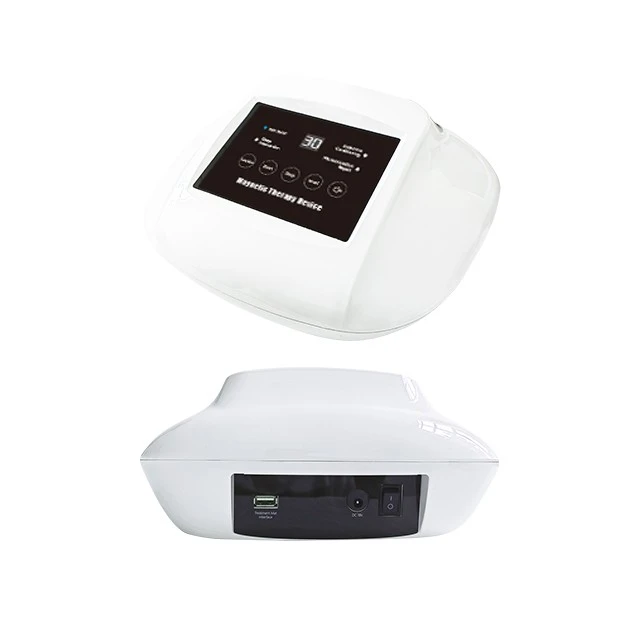
Pulse magnetic field mats, also known as PEMF (Pulsed Electromagnetic Field) mats, are devices that generate pulsed electromagnetic fields. These mats are designed to be placed on a bed or chair, and users lie or sit on them to receive the therapeutic effects of the magnetic fields. The claimed benefits of using PEMF mats include pain relief, improved blood circulation, enhanced sleep quality, and accelerated tissue repair.
The Need for Regulatory Standards
Regulatory standards play a crucial role in ensuring the safety and efficacy of PMF mats. They help to protect consumers from potentially harmful products and ensure that manufacturers adhere to certain quality and performance criteria. Without proper regulations, there is a risk of substandard or even dangerous products entering the market, which can lead to negative health effects for users.
Standards also provide a level playing field for suppliers. When all manufacturers are required to meet the same standards, it promotes fair competition and encourages innovation. It also helps to build trust among consumers, who can be more confident in the quality and safety of the products they purchase.
Current Regulatory Landscape
The regulatory status of PMF mats varies from country to country. In some regions, these products are classified as medical devices and are subject to strict regulations. For example, in the United States, the Food and Drug Administration (FDA) regulates PEMF devices that are intended for medical use. Manufacturers must obtain pre - market approval or clearance from the FDA before selling their products. This process involves rigorous testing to demonstrate the safety and effectiveness of the device.
In the European Union, PEMF mats that claim to have medical benefits are also regulated as medical devices under the Medical Device Regulation (MDR). Manufacturers must comply with strict quality management systems and provide clinical evidence to support their claims.
However, in other areas, the regulatory environment may be less clear - cut. Some countries may have limited or no specific regulations for PMF mats, especially if they are marketed as wellness or relaxation products rather than medical devices. This can lead to a situation where there is a wide range of products on the market, with varying levels of quality and safety.
International Standards
In addition to national regulations, there are also some international standards that can be relevant to PMF mats. For example, the International Electrotechnical Commission (IEC) has developed standards for electromagnetic compatibility (EMC) and safety of electrical equipment. These standards ensure that PMF mats do not interfere with other electronic devices and are safe to use in a variety of environments.
Compliance with international standards can be beneficial for suppliers, as it can facilitate the export of products to different countries. It also provides an additional level of assurance to consumers that the product has been tested and meets certain quality criteria.
How Regulatory Standards Impact Suppliers
As a supplier of PMF mats, regulatory standards have a significant impact on our business. We need to ensure that our products comply with all relevant regulations in the markets where we operate. This involves investing in research and development, conducting testing, and maintaining a quality management system.
Meeting regulatory requirements can be costly and time - consuming. We need to work closely with regulatory authorities and testing laboratories to ensure that our products meet the necessary standards. However, it is also an essential part of our commitment to providing safe and effective products to our customers.
On the positive side, compliance with regulations can also be a competitive advantage. When our products are certified to meet recognized standards, it gives us an edge over suppliers who do not comply. It also helps to build trust with our customers, who are more likely to choose a product that has been tested and approved by regulatory authorities.
How Regulatory Standards Impact Consumers
For consumers, regulatory standards provide an important layer of protection. When they purchase a PMF mat that is regulated, they can be more confident that the product is safe and effective. They can also rely on the information provided by the manufacturer, knowing that it has been verified by regulatory authorities.
Regulatory standards also make it easier for consumers to compare different products. When products are required to meet the same standards, they can use the certification as a benchmark to evaluate the quality of different options. This can help them make more informed purchasing decisions.
The Role of Certification
Certification is an important part of the regulatory process. When a PMF mat is certified, it means that it has been tested and found to meet certain standards. There are different types of certifications, depending on the country and the specific requirements.
For example, in the United States, a PEMF device that has received FDA clearance will have a label indicating its compliance. In the European Union, a product that meets the MDR requirements will have a CE mark. These certifications are visible signs to consumers that the product has been approved for use.
Our Commitment as a Supplier
As a supplier of PMF mats, we are committed to meeting all relevant regulatory standards. We believe that this is not only a legal obligation but also a moral responsibility. We invest in the necessary resources to ensure that our products are safe, effective, and of the highest quality.
We also stay up - to - date with the latest regulatory developments and make any necessary adjustments to our products and processes. This allows us to continue to provide our customers with products that meet the changing requirements of the market.
Conclusion
In conclusion, the regulation of pulse magnetic field mats is a complex but important issue. While the regulatory landscape varies from country to country, there are clear benefits to having standards in place. These standards protect consumers, promote fair competition, and ensure the quality and safety of products.
As a supplier, we understand the importance of complying with regulations and are committed to providing our customers with the best possible products. If you are interested in learning more about our Pemf Mat Devices, Pemf Pulse Therapy Device, or Pemf Equipment, we encourage you to reach out to us for more information and to discuss your purchasing needs. We look forward to the opportunity to work with you and provide you with high - quality PMF products.
References
- Food and Drug Administration (FDA). Regulations for medical devices in the United States.
- Medical Device Regulation (MDR). European Union regulations for medical devices.
- International Electrotechnical Commission (IEC). Standards for electromagnetic compatibility and safety of electrical equipment.