


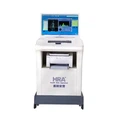


How do blood test devices for detecting infections work?
In the medical field, the ability to quickly and accurately detect infections through blood tests is crucial for effective treatment and patient care. As a leading supplier of Blood Test Device, I am excited to share with you the fascinating science behind how these devices detect infections in the blood.
Understanding the Basics of Infection Detection in Blood
Blood contains a wealth of information about our health, including signs of infection. When the body is invaded by pathogens such as bacteria, viruses, or fungi, the immune system responds by releasing various substances and altering the composition of blood cells. Blood test devices are designed to detect these changes and provide valuable insights into the presence and nature of an infection.
Types of Blood Tests for Infection Detection
There are several types of blood tests commonly used to detect infections, and each relies on different principles and techniques. Here are some of the most common ones:
1. Complete Blood Count (CBC)
A CBC measures the number of different types of blood cells, including red blood cells, white blood cells, and platelets. An increase in the number of white blood cells, particularly certain types like neutrophils or lymphocytes, can indicate an infection. Red Blood Cell Detector is often an important component in a comprehensive CBC device.
White blood cells are the body's defenders against pathogens. Neutrophils are the first responders to bacterial infections, while lymphocytes play a key role in viral infections. A CBC can also detect other abnormalities, such as anemia, which may be associated with chronic infections.
2. Blood Culture
Blood culture is a test that attempts to grow bacteria or fungi in a laboratory from a blood sample. This test is crucial for identifying the specific pathogen causing an infection and determining the most appropriate antibiotic treatment.
A blood culture device typically consists of specialized bottles that contain a growth medium. The blood sample is added to these bottles, and they are then incubated at a specific temperature for a period of time. If bacteria or fungi are present in the blood, they will multiply and can be detected through various methods, such as visual inspection or automated detection systems.
3. Serological Tests
Serological tests detect antibodies or antigens in the blood. Antibodies are proteins produced by the immune system in response to an infection, while antigens are substances on the surface of pathogens.
For example, in the case of a viral infection like influenza, a serological test can detect the presence of antibodies against the influenza virus. This can help diagnose a current or past infection. These tests often use techniques such as enzyme - linked immunosorbent assay (ELISA) or immunofluorescence.
How Our Blood Test Devices Work
At our company, we have developed a range of Blood Test Device that are designed to provide accurate and reliable results for infection detection.
1. Advanced Sensor Technology
Our devices are equipped with advanced sensors that can detect even the slightest changes in blood composition. These sensors are highly sensitive and specific, allowing them to distinguish between different types of cells and substances in the blood.
For example, in our CBC devices, the sensors can accurately count the number of red blood cells, white blood cells, and platelets. They use techniques such as electrical impedance or optical detection to measure the size and number of cells as they pass through the sensor.
2. Automated Analysis
Once the blood sample is analyzed by the sensors, our devices use sophisticated software algorithms to interpret the data. These algorithms are based on years of research and clinical data, ensuring accurate and reliable results.
The automated analysis not only saves time but also reduces the risk of human error. The results are presented in a clear and easy - to - understand format, allowing healthcare professionals to quickly make informed decisions about patient care.
3. Integration of Multiple Testing Methods
To provide a more comprehensive picture of the patient's health, our blood test devices are often designed to integrate multiple testing methods. For example, a single device may be able to perform a CBC, detect specific antibodies, and even conduct a blood culture.
This integration allows for a more efficient and cost - effective approach to infection detection. Healthcare providers can obtain all the necessary information from a single blood sample, reducing the need for multiple tests and minimizing patient discomfort.
The Importance of Accurate Infection Detection
Accurate infection detection is essential for several reasons. Firstly, it allows healthcare providers to start the appropriate treatment as early as possible. Different infections require different treatments, and a timely diagnosis can significantly improve the patient's prognosis.


Secondly, it helps in the prevention of the spread of infections. Identifying infected individuals quickly allows for appropriate isolation and contact tracing measures to be implemented.
Finally, accurate infection detection can also contribute to the overall management of healthcare resources. By providing precise information about the nature and extent of an infection, healthcare providers can allocate resources more effectively.
Contact Us for Your Blood Test Device Needs
If you are a healthcare provider, laboratory, or any organization in need of high - quality blood test devices for infection detection, we are here to help. Our products are designed to meet the highest standards of quality and performance, and we offer excellent customer support and after - sales service.
Contact us today to discuss your requirements and explore how our blood test devices can benefit your organization. We look forward to working with you to improve patient care and contribute to the fight against infections.
References
- Henry, J. B., & Gruber, H. E. (2001). Clinical diagnosis and management by laboratory methods. W. B. Saunders Company.
- Abbas, A. K., Lichtman, A. H., & Pillai, S. (2015). Cellular and molecular immunology. Elsevier.
- Rodak, B. F., & Carr, J. H. (2017). Clinical hematology atlas. Elsevier.