


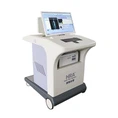

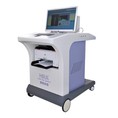
As a supplier of blood test devices, I understand the critical importance of ensuring the safety and reliability of the products we offer. One question that frequently arises is how to find out if a blood test device has been recalled. In this blog post, I'll share some comprehensive ways to check for recalls, drawing from my experience in the industry.
Official Regulatory Agencies
The first and most reliable source for recall information is official regulatory agencies. In many countries, these agencies play a vital role in overseeing medical devices, including blood test devices.
United States: Food and Drug Administration (FDA)
The FDA is responsible for regulating medical devices in the United States. Its website FDA Recall Database is a treasure - trove of information regarding device recalls. You can search for specific blood test devices by their product names, manufacturers, or model numbers. The FDA also issues press releases and announcements about significant recalls, which are easily accessible on their website. This ensures that healthcare providers, suppliers like me, and end - users stay informed about potential safety issues.
For example, if a particular Blood Test Device [/eis/blood-test-device.html] sold in the US market has a defect that poses a risk to patients, the FDA will list it in their recall database. It will provide details about the nature of the problem, the affected batches, and the recommended actions.
Europe: European Commission and National Competent Authorities
In Europe, the European Commission and national competent authorities are involved in medical device regulation. The EU Medical Device Regulation (MDR) and In Vitro Diagnostic Regulation (IVDR) have strict guidelines regarding device safety. The European Health Emergency Preparedness and Response Authority (HERA) and EudraVigilance also gather information on device incidents and recalls. National bodies like the Medicines and Healthcare products Regulatory Agency (MHRA) in the UK also maintain their own recall lists.
These platforms allow you to search for recalls related to blood test devices such as the Red Blood Cell Detector [/eis/red - blood - cell - detector.html]. Suppliers need to constantly monitor these sources to ensure that the products they offer are in compliance and not part of any recall.
Manufacturer Notifications
Another important avenue for learning about device recalls is from the manufacturers themselves. Reputable manufacturers take their responsibilities seriously and are proactive in notifying their customers about any product issues.
As a supplier, I stay in close communication with the blood test device manufacturers. They usually have dedicated customer service teams that send out official notices via email, phone calls, or letters in case of a recall. These notices contain detailed information about the affected products, the reason for the recall, and instructions on how to return or deal with the devices.
Manufacturers also update their official websites with recall information. If you visit the website of a blood test device manufacturer, you can often find a section dedicated to product safety and recalls. Some manufacturers even set up hotlines specifically for recall - related inquiries, providing quick and accurate information to their customers.


Industry News and Publications
Industry news and publications are valuable resources for staying updated on device recalls. There are numerous medical and healthcare - focused magazines, online news portals, and professional associations that report on regulatory actions and product safety issues.
For example, medical journals like the New England Journal of Medicine or Lancet often publish articles on important medical device recalls. Online news platforms such as Medscape, which is a well - known medical news website, also cover medical device - related stories. Professional associations like the American Association for Clinical Chemistry (AACC) or the European Federation of Clinical Chemistry and Laboratory Medicine (EFLM) may disseminate information about recalls affecting blood test devices among their members.
As a supplier, I subscribe to these news sources and follow relevant industry groups on social media. This helps me stay ahead of the curve and be aware of any potential recalls that could impact my business.
Distributor and Supplier Networks
Within the blood test device supply chain, distributor and supplier networks can also be a source of recall information. We often share information with each other to ensure the safety and quality of the products in the market.
If a recall occurs, other suppliers in the network may be the first to know. They can quickly pass on the information to their partners, including me. This network - based communication is especially important in the early stages of a recall, as it allows for a rapid response.
We also have regular meetings and discussions within our industry associations. These gatherings provide a platform for sharing experiences and information about product recalls. By collaborating with other suppliers and distributors, we can better protect our customers and the end - users of the blood test devices.
Importance of Regular Checks
As a blood test device supplier, I cannot stress enough the importance of regular checks for recalls. The medical device industry is constantly evolving, and new safety issues may emerge over time.
Regularly monitoring the official regulatory websites, staying in touch with manufacturers, and following industry news can help me avoid potential legal and reputational risks. If I unknowingly supply a recalled blood test device, it could lead to serious consequences for my business, including lawsuits and damage to my brand image.
Moreover, ensuring that the products I offer are free from recalls is crucial for patient safety. Blood test devices are used to diagnose various medical conditions, and inaccurate or faulty results can have a significant impact on patient treatment and outcomes.
Contact for Purchase and Collaboration
If you are interested in our high - quality blood test devices, whether it's the Red Blood Cell Detector [/eis/red - blood - cell - detector.html] or other Blood Test Devices [/eis/blood - test - device.html] from our state - of - the - art factory [/eis/blood - test - device - factory.html], please feel free to reach out. We are committed to providing the best products and services, and we ensure that all our devices are thoroughly checked for safety and compliance. We look forward to discussing your specific needs and starting a long - term partnership with you.
References
- U.S. Food and Drug Administration. (n.d.). Medical Device Recalls. Retrieved from FDA Recall Database
- European Commission. (n.d.). Medical Devices and In Vitro Diagnostic Devices. Retrieved from European Commission Medical Devices Page
- Medscape. (n.d.). Medical News and Perspectives. Retrieved from Medscape Website
- American Association for Clinical Chemistry. (n.d.). Home Page. Retrieved from AACC Website
- European Federation of Clinical Chemistry and Laboratory Medicine. (n.d.). Home. Retrieved from EFLM Website