


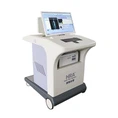

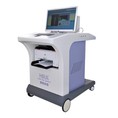
Hey there! As a supplier of red blood cell detectors, I've been in the thick of the medical tech scene for quite some time. These little gadgets are super important for diagnosing all sorts of health issues, but like any piece of tech, they've got their limitations. Let's dig into what those are.
First off, let's talk about accuracy. Red blood cell detectors are designed to give us a count of how many red blood cells are in a blood sample, along with other important details like their size and shape. But getting an exact count isn't always a walk in the park. There can be all sorts of factors that mess with the results. For example, if the blood sample isn't properly mixed before it goes into the detector, you might end up with an inaccurate count. Some cells might clump together, making it look like there are fewer individual cells than there actually are. And if there are other substances in the blood, like lipids or proteins, they can also interfere with the detector's ability to accurately measure the red blood cells.
Another limitation is the range of detection. Most red blood cell detectors are calibrated to work within a certain range of cell counts. If a patient has an extremely high or extremely low number of red blood cells, the detector might not be able to give an accurate reading. For instance, in cases of severe anemia, where the red blood cell count is very low, the detector might struggle to pick up all the cells, leading to an underestimation of the actual count. On the flip side, in conditions like polycythemia, where the red blood cell count is abnormally high, the detector might reach its maximum capacity and not be able to accurately measure the excess cells.
The technology used in red blood cell detectors also has its drawbacks. Many detectors rely on optical or electrical methods to measure the cells. Optical detectors use light to detect and count the cells, but they can be affected by factors like the clarity of the blood sample and the presence of debris. If the blood sample is cloudy or contains a lot of particles, it can be difficult for the detector to distinguish between the red blood cells and the other substances. Electrical detectors, on the other hand, measure the changes in electrical conductivity as the cells pass through a small aperture. However, these detectors can be sensitive to changes in the electrolyte concentration of the blood, which can affect the accuracy of the measurements.
Cost is also a significant limitation. High - end red blood cell detectors can be pretty expensive to purchase and maintain. For smaller clinics or healthcare facilities with limited budgets, it might be difficult to afford the latest and greatest technology. This means that they might have to rely on older, less accurate detectors, which can impact the quality of patient care. And even if a facility can afford a top - of - the - line detector, the cost of consumables like reagents and cartridges can add up over time.
Maintenance and calibration are crucial for the proper functioning of red blood cell detectors, but they can also be a hassle. Detectors need to be regularly calibrated to ensure accurate results. This requires specialized training and equipment, which not all healthcare providers have access to. If a detector isn't calibrated correctly, the results can be way off. And if there are any technical issues with the detector, it might need to be sent back to the manufacturer for repairs, which can take time and disrupt the workflow in a healthcare setting.
In addition to these limitations, red blood cell detectors have some challenges when it comes to detecting abnormal red blood cells. Some rare blood disorders can cause red blood cells to have unusual shapes or sizes that the detector might not be able to recognize properly. For example, in sickle cell anemia, the red blood cells are shaped like sickles instead of the normal round shape. While some detectors can detect these abnormal cells to some extent, they might not be able to provide a detailed analysis of the specific type and severity of the disorder.
Now, I know all these limitations might seem a bit discouraging, but it's important to remember that red blood cell detectors are still incredibly valuable tools in the medical field. At [our company], we're constantly working on improving our Red Blood Cell Detector to overcome these limitations. We're investing in research and development to make our detectors more accurate, reliable, and cost - effective.
Our Blood Test Device is designed with the latest technology to minimize the impact of these limitations. We've improved the optical and electrical components to enhance the accuracy of cell counting and analysis. We've also made our detectors more user - friendly, so they're easier to operate and maintain, even for healthcare providers with limited technical expertise.
If you're in the market for a red blood cell detector or a Blood Test Device, I encourage you to get in touch with us. We'd be more than happy to discuss your specific needs and how our products can help you provide better care for your patients. Whether you're a large hospital or a small clinic, we've got solutions that can fit your budget and requirements. So, don't hesitate to reach out and start a conversation about how we can work together.


References
- "Clinical Laboratory Hematology" by Robert R. Harr and David H. Landis
- "Textbook of Hematology" by John W. Adamson et al.