


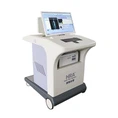

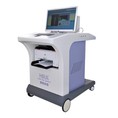
In the realm of modern healthcare, full body check - up machines have emerged as indispensable tools, revolutionizing the way we approach preventive medicine. As a leading supplier of Full Body Check - Up Machine, I have witnessed firsthand the intricate process of how these machines handle data storage, a crucial aspect that ensures the accuracy, security, and accessibility of patient information.
The Importance of Data Storage in Full Body Check - Up Machines
Full body check - up machines are designed to collect a vast amount of data from various diagnostic tests. This data includes physiological parameters such as blood pressure, heart rate, blood glucose levels, and detailed images from X - rays, MRIs, and ultrasounds. Proper data storage is essential for several reasons.
Firstly, it allows healthcare providers to track a patient's health over time. By comparing current test results with previous ones, doctors can identify trends, detect early signs of diseases, and develop personalized treatment plans. For example, a gradual increase in cholesterol levels over several check - ups may indicate a need for dietary changes or medication.
Secondly, data storage facilitates collaboration among healthcare professionals. In a multi - disciplinary approach to patient care, different specialists can access the same patient data, enabling more comprehensive and coordinated treatment. A cardiologist can review the results of a patient's electrocardiogram (ECG) along with other test data stored in the system to make a more accurate diagnosis.
Finally, data storage is crucial for research and quality improvement. Aggregated data from multiple patients can be analyzed to identify patterns, evaluate the effectiveness of different treatment methods, and contribute to the advancement of medical knowledge.
Data Collection in Full Body Check - Up Machines
Before data can be stored, it must be collected. Full body check - up machines use a variety of sensors and diagnostic tools to gather information from the patient. For instance, a blood pressure monitor uses a cuff to measure the pressure exerted by the blood on the arterial walls, while an electrocardiograph records the electrical activity of the heart.
Advanced machines are equipped with multiple sensors that can simultaneously collect data from different parts of the body. These sensors are highly accurate and can detect even subtle changes in physiological parameters. Once the data is collected, it is converted into a digital format, which is suitable for storage and analysis.
Types of Data Storage in Full Body Check - Up Machines
There are several types of data storage used in full body check - up machines, each with its own advantages and limitations.
Local Storage
Many full body check - up machines come with built - in local storage devices, such as hard drives or solid - state drives (SSDs). Local storage offers the advantage of immediate access to data. Healthcare providers can quickly retrieve patient information during a check - up, which is especially important in emergency situations.
However, local storage also has its drawbacks. The storage capacity is limited, and there is a risk of data loss due to hardware failures, such as hard drive crashes. Additionally, it can be difficult to share data across different locations or with other healthcare providers.
Cloud Storage
Cloud storage has become increasingly popular in recent years. With cloud storage, data is stored on remote servers maintained by third - party providers. This offers several benefits, including virtually unlimited storage capacity, data redundancy, and easy accessibility from anywhere with an internet connection.
Healthcare providers can access patient data using a variety of devices, such as laptops, tablets, or smartphones. Cloud storage also allows for seamless data sharing among different healthcare facilities. For example, a patient's test results can be easily transferred from a local clinic to a specialized hospital for further consultation.
However, cloud storage also raises concerns about data security and privacy. Healthcare providers must ensure that the cloud service provider complies with strict security and privacy regulations, such as the Health Insurance Portability and Accountability Act (HIPAA) in the United States.
Hybrid Storage
Some full body check - up machines use a hybrid storage approach, which combines the advantages of local and cloud storage. In a hybrid storage system, critical and frequently accessed data is stored locally for quick access, while less frequently accessed data or archival data is stored in the cloud.
This approach provides a balance between immediate access to data and long - term storage. It also allows healthcare providers to manage their storage costs more effectively by optimizing the use of local and cloud storage resources.
Data Security and Privacy in Full Body Check - Up Machines
Data security and privacy are of utmost importance when it comes to storing patient information. Full body check - up machines must comply with strict regulations to protect the confidentiality, integrity, and availability of patient data.
Encryption is a key security measure used to protect data during storage and transmission. Data is encrypted using advanced algorithms, which convert the data into an unreadable format. Only authorized users with the correct decryption keys can access the data.
Access control is another important aspect of data security. Healthcare providers must implement strict access control policies to ensure that only authorized personnel can access patient data. This may include using user authentication methods such as passwords, biometric authentication, or smart cards.
In addition to security measures, full body check - up machines must also comply with privacy regulations. Patients have the right to know how their data is being used, who has access to it, and how it is protected. Healthcare providers must obtain informed consent from patients before collecting and storing their data.
Data Management and Analysis
Once the data is stored, it needs to be managed and analyzed effectively. Full body check - up machines often come with built - in software that allows healthcare providers to organize, search, and analyze patient data.
Data management software can categorize patient data based on various criteria, such as test type, date, or patient demographics. This makes it easier for healthcare providers to find the information they need quickly.
Data analysis tools are also an important part of the system. These tools can perform statistical analysis on the data, generate reports, and provide insights into a patient's health status. For example, data analysis software can identify correlations between different physiological parameters and predict the risk of developing certain diseases.
Future Trends in Data Storage for Full Body Check - Up Machines
The field of data storage for full body check - up machines is constantly evolving. Some of the future trends include:
Big Data and Artificial Intelligence
With the increasing amount of data collected by full body check - up machines, big data analytics and artificial intelligence (AI) will play a more important role in data storage and analysis. AI algorithms can analyze large volumes of data to identify patterns and make predictions, which can help healthcare providers make more informed decisions.
Internet of Medical Things (IoMT)
The IoMT refers to the network of medical devices, such as full body check - up machines, that are connected to the internet. This allows for real - time data collection and sharing, which can improve the efficiency and effectiveness of healthcare delivery.
Blockchain Technology
Blockchain technology has the potential to revolutionize data storage and security in healthcare. Blockchain provides a decentralized and secure way to store and share data, which can enhance the privacy and integrity of patient information.
Conclusion
As a supplier of Full Body Check - Up Machine and Health Check - Up Machine, I understand the importance of proper data storage in these machines. The way data is collected, stored, and analyzed can have a significant impact on the quality of healthcare delivery.
We are committed to providing our customers with high - quality machines that are equipped with advanced data storage and management systems. Our Health Risk Appraisal System is designed to ensure the security and privacy of patient data while providing healthcare providers with the tools they need to make informed decisions.
If you are interested in purchasing full body check - up machines or have any questions about our products, please feel free to contact us for further discussion. We look forward to working with you to improve the health and well - being of your patients.


References
- Healthcare Information and Management Systems Society (HIMSS). "Data Storage in Healthcare."
- Health Insurance Portability and Accountability Act (HIPAA) regulations.
- International Journal of Medical Informatics. Various articles on data management in healthcare.