


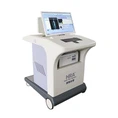

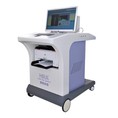
Hey there! As a supplier of health checkup machines, I've seen firsthand how these nifty devices can be a game - changer for folks looking to keep tabs on their health. But here's the thing: these machines aren't just plug - and - play. They have specific environmental requirements to work their best. So, let's dig into what those are.
Temperature
First up, temperature is a big deal. Health checkup machines are like Goldilocks - they don't like it too hot or too cold. Most of the machines I supply, including the Health Checkup Machine, are designed to operate within a temperature range of about 18°C to 25°C (64°F to 77°F).
When it's too cold, the internal components of the machine can slow down. Think of it like your car on a freezing winter morning - it takes a while to warm up and run smoothly. In a health checkup machine, cold temperatures can affect the sensors and the accuracy of the readings. For example, some of the sensors that measure vital signs rely on electrical conductivity, and low temperatures can change the way electricity flows through the components.
On the other hand, if it's too hot, the machine can overheat. Overheating can cause the components to expand, which might lead to misalignments or even permanent damage. Plus, high temperatures can speed up chemical reactions inside the machine, which could degrade the performance of the batteries or other power - related parts.
Humidity
Humidity is another crucial factor. The ideal humidity level for using a health checkup machine is between 30% and 60%. When the humidity is too high, moisture can seep into the machine. This is bad news because water is the enemy of electronics. It can cause short - circuits, corrosion of metal parts, and damage to the printed circuit boards.
Imagine you're using a Full Body Health Analyzer Machine in a very humid room. The moisture in the air can condense on the internal components, and over time, this can lead to malfunctions. For instance, the connectors might start to corrode, which can disrupt the flow of data between different parts of the machine.
If the humidity is too low, static electricity becomes a problem. Static charges can build up on the machine's surface and inside its components. When a static discharge occurs, it can fry sensitive electronic parts. You might have experienced a small static shock when touching a doorknob on a dry day - well, that same kind of shock can be much more damaging to a health checkup machine.
Air Quality
The quality of the air in the environment where you use the health checkup machine matters a lot. Dust, smoke, and other airborne particles can accumulate inside the machine. Dust can clog the ventilation openings, which are essential for keeping the machine cool. When the ventilation is blocked, the machine is more likely to overheat.
Smoke, especially from cigarettes or industrial sources, contains chemicals that can corrode the internal parts of the machine. And if there are pollutants like volatile organic compounds (VOCs) in the air, they can react with the materials inside the machine, leading to degradation of the components.
For example, the Sub - Health Analyzer has very sensitive sensors. Even a small amount of dust on these sensors can affect the accuracy of the readings. So, it's best to use the machine in a clean, well - ventilated area.
Lighting
You might not think that lighting has anything to do with a health checkup machine, but it does. Some machines have display screens, and the lighting conditions can affect how easy it is to read the results. Too much glare from bright sunlight or harsh artificial lighting can make it difficult for the operator to see the information on the screen accurately.
On the other hand, if it's too dark, the operator might strain their eyes to read the display, which can lead to errors in interpreting the results. So, it's important to have a well - lit environment, but one where the lighting is diffused and doesn't cause glare.
Vibration and Noise
Health checkup machines are precision devices, and vibration can throw off their accuracy. If the machine is placed on a surface that vibrates a lot, like near a large piece of machinery or a busy road, the internal sensors can be affected. The vibrations can cause the sensors to move slightly, which can result in inaccurate readings.
Noise can also be a problem, especially in machines that rely on sound - based sensors or have audio components. Loud background noise can interfere with the machine's ability to detect and process sound signals correctly. For example, if a machine uses ultrasound to measure something, external noise can create interference patterns that make it difficult to get a clear reading.


Power Supply
A stable power supply is essential for the proper functioning of a health checkup machine. Fluctuations in voltage can damage the internal components. Most machines are designed to work with a specific voltage range, usually around 110 - 240 volts. If the voltage goes too high or too low, it can cause the machine to malfunction or even break down.
It's also a good idea to use a surge protector. Power surges, which can be caused by lightning strikes or problems with the electrical grid, can send a sudden, large amount of electricity through the machine. A surge protector can divert this excess electricity, protecting the machine from damage.
EMI/RFI Interference
Electromagnetic interference (EMI) and radio - frequency interference (RFI) can disrupt the operation of health checkup machines. These types of interference can come from various sources, such as cell phones, Wi - Fi routers, and other electronic devices.
When a health checkup machine is exposed to EMI/RFI, it can cause the sensors to give false readings or disrupt the communication between different parts of the machine. For example, if a person using a machine has their cell phone on and it's transmitting a strong signal nearby, it can interfere with the machine's electronics.
So, it's best to keep the machine away from sources of EMI/RFI. If possible, use shielding materials or place the machine in an area where there is less electronic interference.
Cleanliness
Last but not least, keeping the machine clean is crucial. Regularly wiping down the exterior of the machine with a soft, dry cloth can prevent the buildup of dust and dirt. The interior of the machine should also be cleaned periodically, but this should be done by a professional to avoid damaging the components.
If the machine has contact points or sensors that come into contact with the human body, they need to be cleaned and disinfected after each use. This not only helps to maintain the accuracy of the machine but also ensures the safety of the users.
In conclusion, to get the most accurate and reliable results from a health checkup machine, it's essential to provide the right environmental conditions. Temperature, humidity, air quality, lighting, vibration, noise, power supply, EMI/RFI interference, and cleanliness all play important roles.
If you're in the market for a high - quality health checkup machine and want to ensure you can provide the best environment for it, I'm here to help. Whether you need a Sub - Health Analyzer, a Health Checkup Machine, or a Full Body Health Analyzer Machine, I can offer you great products and advice on how to use them effectively. Reach out to me for more information and to start the procurement process.
References
- General knowledge of electronics and medical device operation
- Manufacturer's guidelines for health checkup machines