


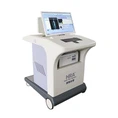

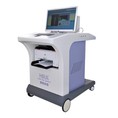
As a supplier of health check-up machines, I've witnessed firsthand the transformative power of these devices in the healthcare industry. The seamless communication between health check-up machines and medical institutions is crucial for delivering accurate diagnoses, personalized treatment plans, and ultimately, better patient outcomes. In this blog post, I'll delve into the various ways in which health check-up machines communicate with medical institutions, highlighting the technologies and processes involved.
Data Transmission Protocols
One of the fundamental aspects of communication between health check-up machines and medical institutions is the use of data transmission protocols. These protocols define the rules and standards for exchanging data between different devices and systems. In the healthcare industry, the most commonly used data transmission protocols include:


- HL7 (Health Level Seven): HL7 is a set of international standards for the exchange, integration, sharing, and retrieval of electronic health information. It enables different healthcare systems, such as health check-up machines, electronic health record (EHR) systems, and laboratory information management systems (LIMS), to communicate with each other in a standardized and interoperable manner. HL7 messages can be used to transmit patient demographics, test results, and other clinical data between health check-up machines and medical institutions.
- DICOM (Digital Imaging and Communications in Medicine): DICOM is a standard for the communication and management of medical imaging information and related data. It is used by medical imaging devices, such as X-ray machines, CT scanners, and MRI machines, to store, exchange, and view medical images. DICOM enables health check-up machines that incorporate imaging capabilities to transmit high-quality medical images to medical institutions for interpretation and diagnosis.
- Bluetooth and Wi-Fi: In addition to standard data transmission protocols, many health check-up machines also support wireless communication technologies, such as Bluetooth and Wi-Fi. These technologies allow health check-up machines to connect to smartphones, tablets, and other mobile devices, as well as to local area networks (LANs) and the internet. Wireless communication enables real-time data transfer and remote monitoring, making it easier for medical institutions to access and analyze patient data from anywhere.
Integration with Electronic Health Record (EHR) Systems
Another important aspect of communication between health check-up machines and medical institutions is the integration with electronic health record (EHR) systems. EHR systems are digital versions of patients' paper charts that contain comprehensive medical information, including patient demographics, medical history, allergies, medications, and test results. By integrating health check-up machines with EHR systems, medical institutions can streamline the process of data collection, storage, and retrieval, and ensure that patient information is accurate, up-to-date, and easily accessible.
- Direct Interface: Many health check-up machines are designed to have a direct interface with EHR systems, allowing them to automatically transfer patient data, such as test results and vital signs, directly into the EHR. This eliminates the need for manual data entry, which can be time-consuming and error-prone, and ensures that patient information is entered into the EHR in a timely and accurate manner.
- Middleware: In some cases, health check-up machines may not have a direct interface with EHR systems. In these situations, middleware can be used to bridge the gap between the two systems. Middleware is a software layer that sits between the health check-up machine and the EHR system and translates the data from one format to another. This allows the health check-up machine to communicate with the EHR system even if they use different data formats or protocols.
Cloud-Based Solutions
Cloud-based solutions are becoming increasingly popular in the healthcare industry, as they offer a number of advantages over traditional on-premises solutions. Cloud-based solutions allow health check-up machines to store and transmit patient data securely over the internet, without the need for expensive hardware or software infrastructure. This makes it easier for medical institutions to access and analyze patient data from anywhere, at any time, and on any device.
- Data Storage and Management: Cloud-based solutions provide a secure and scalable platform for storing and managing patient data. Health check-up machines can upload patient data, such as test results and medical images, to the cloud, where it can be stored and accessed by authorized users. Cloud-based storage also offers the advantage of data redundancy, which ensures that patient data is protected against loss or damage.
- Remote Monitoring and Analytics: Cloud-based solutions also enable remote monitoring and analytics of patient data. Medical institutions can use cloud-based platforms to monitor patients' health status in real-time, track changes in their condition over time, and identify potential health risks. Cloud-based analytics tools can also be used to analyze large amounts of patient data to identify trends, patterns, and insights that can inform clinical decision-making.
Telemedicine and Remote Consultation
Telemedicine and remote consultation are emerging trends in the healthcare industry that are enabled by the communication capabilities of health check-up machines. Telemedicine refers to the use of technology to provide healthcare services remotely, while remote consultation refers to the process of consulting with a healthcare provider over the internet. By using health check-up machines that are equipped with telemedicine capabilities, medical institutions can provide patients with access to healthcare services from the comfort of their own homes, without the need for in-person visits.
- Video Conferencing: Many health check-up machines are now equipped with video conferencing capabilities, which allow patients to communicate with healthcare providers in real-time over the internet. This enables healthcare providers to conduct virtual consultations, examine patients remotely, and provide diagnoses and treatment recommendations without the need for in-person visits.
- Remote Monitoring: Health check-up machines can also be used for remote monitoring of patients' health status. By using sensors and other monitoring devices, health check-up machines can collect data on patients' vital signs, such as heart rate, blood pressure, and oxygen saturation, and transmit this data to medical institutions in real-time. This allows healthcare providers to monitor patients' health status remotely, detect early signs of health problems, and intervene before they become serious.
Conclusion
In conclusion, the communication between health check-up machines and medical institutions is essential for delivering high-quality healthcare services. By using data transmission protocols, integrating with EHR systems, leveraging cloud-based solutions, and enabling telemedicine and remote consultation, health check-up machines can provide medical institutions with access to accurate, up-to-date, and easily accessible patient data, which can inform clinical decision-making and improve patient outcomes.
If you're interested in learning more about our Health Risk Assessment Device, Human Health Risk Assessment Instrument, or Disease Diagnosis Equipment, or if you'd like to discuss your specific requirements, please don't hesitate to contact us. We'd be happy to provide you with more information and help you find the right solution for your needs.
References
- Health Level Seven International. (n.d.). HL7 Standards. Retrieved from https://www.hl7.org/
- Digital Imaging and Communications in Medicine (DICOM). (n.d.). Retrieved from https://www.dicomstandard.org/
- Health Information Technology for Economic and Clinical Health (HITECH) Act. (2009). Retrieved from https://www.healthit.gov/
- Telemedicine: A Guide to Regulatory and Reimbursement Issues. (2019). American Medical Association. Retrieved from https://www.ama-assn.org/