


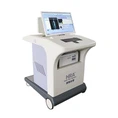

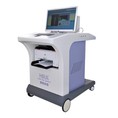
Hey there! As a supplier of microcirculation therapy devices, I've been getting a lot of questions lately about how these devices stack up against traditional massage when it comes to improving microcirculation. So, I thought I'd take a deep dive into this topic and share my insights with you all.
First off, let's quickly go over what microcirculation is. Microcirculation refers to the blood flow through the smallest blood vessels in our bodies, like capillaries, arterioles, and venules. It plays a crucial role in delivering oxygen and nutrients to our cells and removing waste products. When microcirculation is impaired, it can lead to a whole host of health issues, including fatigue, poor wound healing, and even more serious conditions in the long run.
Now, let's talk about massage. Massage has been around for ages and is a well - known way to relax and relieve stress. When it comes to microcirculation, massage works by physically manipulating the muscles and tissues. The pressure applied during a massage helps to squeeze the blood vessels, promoting blood flow. For example, a deep - tissue massage can target the deeper layers of muscles, which in turn can improve the circulation in the surrounding areas.
One of the big advantages of massage is its hands - on nature. A skilled massage therapist can adjust the pressure, speed, and technique according to your specific needs and body type. They can also focus on problem areas that might be causing poor microcirculation, like tight muscles in the neck or lower back. And let's not forget the relaxation factor. The gentle strokes and kneading of a massage can release endorphins, which not only make you feel good but also have a positive impact on your overall well - being.
However, massage also has its limitations. For one, it's a time - consuming process. A typical massage session can last anywhere from 30 minutes to an hour or more, and you need to make an appointment and travel to a massage parlor. Also, it can be quite expensive, especially if you want regular sessions. And if you have a busy schedule, it might be hard to fit in these sessions on a consistent basis.
On the other hand, a Microcirculation Therapy Device offers a more convenient and cost - effective solution. These devices are designed to use various technologies to improve microcirculation. Some use electromagnetic fields, while others use infrared light or low - frequency electrical stimulation.
One of the key benefits of a microcirculation therapy device is its convenience. You can use it in the comfort of your own home, at any time that suits you. Whether you're watching TV, reading a book, or taking a break from work, you can simply turn on the device and let it do its job. This makes it much easier to incorporate into your daily routine.
In terms of cost, a microcirculation therapy device is a one - time investment. Once you purchase the device, you don't have to keep paying for individual sessions like you do with massage. Over time, this can save you a significant amount of money.
Another advantage of these devices is their consistency. They are designed to deliver a specific level of treatment every time you use them. Unlike massage, where the quality can vary depending on the therapist, a microcirculation therapy device will always provide the same level of stimulation to improve microcirculation.
However, microcirculation therapy devices also have their drawbacks. They lack the personal touch of a massage. They can't adjust to your body's unique needs in real - time like a human therapist can. And while they are effective, some people might find the experience of using a device a bit impersonal compared to the hands - on approach of a massage.
Let's take a closer look at the scientific evidence. There have been several studies on both massage and microcirculation therapy devices. Research has shown that massage can increase blood flow in the muscles being massaged. For example, a study published in the Journal of Bodywork and Movement Therapies found that a 30 - minute massage session led to a significant increase in blood flow velocity in the forearm muscles.
On the other hand, studies on microcirculation therapy devices have also shown promising results. A study in the International Journal of Biometeorology demonstrated that low - frequency electrical stimulation from a microcirculation therapy device could improve microcirculation in the skin. The device was able to increase the capillary blood flow, which is a key indicator of good microcirculation.
In terms of long - term effects, regular use of both massage and microcirculation therapy devices can have positive impacts on microcirculation. But because of the convenience and consistency of microcirculation therapy devices, it might be easier for people to use them regularly, which could lead to more sustained improvements in microcirculation over time.
If you're dealing with a specific microcirculation disorder, a Microcirculation Disorder Device might be an even better option. These devices are specifically designed to target the underlying causes of microcirculation problems and can provide more targeted treatment.
So, which one should you choose? Well, it really depends on your personal preferences, lifestyle, and budget. If you enjoy the hands - on experience, have the time and money to spare, and don't mind going to a massage parlor, then massage might be the right choice for you. But if you're looking for a convenient, cost - effective, and consistent way to improve microcirculation, then a microcirculation therapy device could be the better option.
If you're interested in learning more about our microcirculation therapy devices or have any questions about how they work, I'd love to hear from you. Feel free to reach out and we can have a chat about how these devices can help you improve your microcirculation. Whether you're an individual looking for better health or a business interested in stocking our products, we're here to assist you in your journey towards better microcirculation.
References


- Journal of Bodywork and Movement Therapies, "Effect of Massage on Blood Flow in the Forearm Muscles"
- International Journal of Biometeorology, "Improvement of Microcirculation in the Skin by Low - Frequency Electrical Stimulation"