


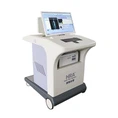

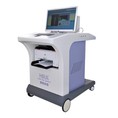
Hey there! As a supplier of red blood cell detectors, I often get asked about how our devices can detect red blood cell echinocytes. So, I thought I'd take a few minutes to break it down for you.
First off, let's talk about what echinocytes are. Echinocytes, also known as burr cells, are red blood cells that have a spiky or thorny appearance. These cells are different from normal red blood cells, which are smooth and round. Echinocytes can be a sign of various underlying health conditions, such as kidney disease, liver disease, or certain types of anemia. Detecting these abnormal cells is crucial for early diagnosis and treatment.
Now, let's get into how our Red Blood Cell Detector works. Our detector uses a combination of advanced technologies to identify echinocytes accurately. One of the key technologies is imaging. The device captures high - resolution images of the red blood cells in a blood sample.
When a blood sample is loaded into the detector, it passes through a specialized imaging chamber. The chamber is designed to ensure that the cells are evenly distributed and can be clearly visualized. The imaging system then takes multiple snapshots of the cells from different angles. This multi - angle approach helps to capture all the details of the cell's shape, including the characteristic spikes of echinocytes.
Once the images are captured, they are sent to the detector's built - in computer system. The system is equipped with powerful image - processing algorithms. These algorithms are specifically trained to recognize the unique features of echinocytes. They analyze the shape, size, and surface characteristics of each red blood cell in the image.
For example, the algorithms look for the presence of small, evenly spaced projections on the cell membrane. Normal red blood cells have a smooth membrane, so the presence of these projections is a clear indicator of echinocytes. The algorithms also measure the length and density of the projections. By comparing these measurements to a pre - established database of normal and abnormal cell characteristics, the system can accurately determine whether a cell is an echinocyte or a normal red blood cell.
Another important aspect of our detector is its ability to handle large numbers of cells quickly. In a typical blood sample, there are millions of red blood cells. Our detector can analyze thousands of cells in just a few minutes. This high - throughput capability is essential for efficient and timely diagnosis. It allows healthcare providers to get accurate results rapidly, which is especially important in emergency situations or when monitoring patients with chronic conditions.
In addition to imaging and image processing, our detector also uses electrical impedance technology. Electrical impedance is based on the principle that different types of cells have different electrical properties. When a red blood cell passes through a small aperture in the detector, it causes a change in the electrical current flowing through the aperture.
Normal red blood cells and echinocytes have different shapes and sizes, which result in different impedance signals. The detector measures these impedance changes and uses them as an additional parameter to identify echinocytes. By combining the information from the imaging and electrical impedance technologies, our detector can achieve a very high level of accuracy in detecting echinocytes.
Our Blood Test Device is also designed with user - friendliness in mind. It has a simple and intuitive interface that allows healthcare professionals to operate it easily. The results are displayed on a clear and easy - to - read screen, and they can also be exported to a computer or a printer for further analysis and record - keeping.
Moreover, our Blood Test Device Factory follows strict quality control measures. We use only the highest - quality materials and components in the manufacturing process. Each detector undergoes rigorous testing before it leaves the factory to ensure that it meets the highest standards of performance and reliability.
If you're in the market for a reliable red blood cell detector, look no further. Our product is not only accurate and efficient but also cost - effective. Whether you're a small clinic or a large hospital, our detector can meet your needs.
We understand that making a purchasing decision is an important one. That's why we're more than happy to provide you with more information, answer any questions you may have, and even arrange a demonstration of our product. Contact us today to start the conversation about how our red blood cell detector can benefit your practice.


References
- Henry's Clinical Diagnosis and Management by Laboratory Methods.
- Clinical Hematology: Theory and Procedures.
- Journal of Clinical Laboratory Analysis.