


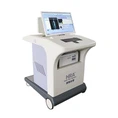

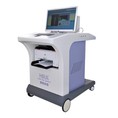
As a supplier of red blood cell detectors, I am often asked about the intricate process of how our devices detect red blood cell blister cells. In this blog post, I will delve into the scientific principles and technologies behind this detection mechanism, shedding light on the crucial role our Red Blood Cell Detector plays in medical diagnostics.
Understanding Red Blood Cell Blister Cells
Before we explore the detection process, it is essential to understand what red blood cell blister cells are. Blister cells are abnormal red blood cells characterized by one or more large, membrane-bound vacuoles that give the appearance of a blister on the cell surface. These cells are often associated with various medical conditions, including oxidative stress, certain genetic disorders, and exposure to toxins. Detecting blister cells can provide valuable insights into a patient's health status, aiding in the diagnosis and monitoring of these conditions.


The Role of Red Blood Cell Detectors
Red blood cell detectors are sophisticated medical devices designed to analyze blood samples and identify various types of red blood cells, including blister cells. Our Red Blood Cell Detector utilizes advanced technologies to accurately detect and quantify blister cells, providing healthcare professionals with reliable and detailed information for diagnosis and treatment.
Detection Mechanisms
1. Optical Detection
One of the primary methods used by our red blood cell detector to detect blister cells is optical detection. This technique involves passing a beam of light through a blood sample and analyzing the way the light is scattered or absorbed by the red blood cells. Blister cells have a distinct optical signature due to their abnormal shape and internal structure, which causes them to scatter light differently than normal red blood cells. By analyzing the light scattering patterns, our detector can identify and differentiate blister cells from other types of red blood cells.
2. Image Analysis
In addition to optical detection, our red blood cell detector also employs image analysis techniques to detect blister cells. This involves capturing high-resolution images of the blood sample using a digital camera and analyzing the images using specialized software. The software is programmed to recognize the characteristic features of blister cells, such as their size, shape, and the presence of vacuoles. By comparing the images to a database of known blister cell images, the detector can accurately identify and count the blister cells in the sample.
3. Flow Cytometry
Flow cytometry is another powerful technique used by our red blood cell detector to detect blister cells. This method involves passing the blood sample through a narrow flow cell, where the red blood cells are individually analyzed as they pass through a laser beam. As the cells pass through the laser beam, they scatter light and emit fluorescent signals, which are detected by a series of detectors. By analyzing the light scattering and fluorescent signals, the detector can determine the size, shape, and internal structure of each red blood cell, allowing it to identify and quantify blister cells.
Advantages of Our Red Blood Cell Detector
1. High Accuracy
Our red blood cell detector is designed to provide highly accurate and reliable results. By combining multiple detection techniques, such as optical detection, image analysis, and flow cytometry, our detector can achieve a high level of sensitivity and specificity in detecting blister cells. This ensures that healthcare professionals can make accurate diagnoses and treatment decisions based on the results of the blood test.
2. Fast and Efficient
Our red blood cell detector is capable of analyzing blood samples quickly and efficiently, providing results in a matter of minutes. This is particularly important in clinical settings, where rapid diagnosis and treatment are crucial for patient outcomes. By reducing the time required for blood testing, our detector can help healthcare professionals provide timely and effective care to their patients.
3. User-Friendly
Our red blood cell detector is designed to be user-friendly, with a simple and intuitive interface that makes it easy for healthcare professionals to operate. The detector also comes with comprehensive software that provides detailed reports and analysis of the blood test results, allowing healthcare professionals to easily interpret and use the information for diagnosis and treatment.
Applications of Red Blood Cell Detector
The detection of blister cells using our red blood cell detector has a wide range of applications in medical diagnostics. Some of the key applications include:
1. Diagnosis of Hematological Disorders
Blister cells are often associated with various hematological disorders, such as sickle cell anemia, thalassemia, and glucose-6-phosphate dehydrogenase (G6PD) deficiency. By detecting and quantifying blister cells in a blood sample, our red blood cell detector can help healthcare professionals diagnose these disorders and monitor the effectiveness of treatment.
2. Monitoring of Oxidative Stress
Oxidative stress is a condition characterized by an imbalance between the production of reactive oxygen species (ROS) and the body's antioxidant defenses. Blister cells are often a sign of oxidative stress, as they are more susceptible to damage by ROS than normal red blood cells. By detecting and monitoring blister cells, our red blood cell detector can help healthcare professionals assess the level of oxidative stress in a patient's body and develop appropriate treatment strategies.
3. Toxicology Screening
Exposure to certain toxins, such as heavy metals and pesticides, can cause damage to red blood cells and lead to the formation of blister cells. Our red blood cell detector can be used to detect and monitor blister cells in patients who have been exposed to toxins, providing valuable information for toxicology screening and treatment.
Conclusion
In conclusion, our red blood cell detector is a powerful and reliable tool for detecting red blood cell blister cells. By utilizing advanced technologies such as optical detection, image analysis, and flow cytometry, our detector can accurately identify and quantify blister cells, providing healthcare professionals with valuable information for diagnosis and treatment. If you are interested in learning more about our Red Blood Cell Detector or our other Blood Test Device products, please feel free to contact us for more information and to discuss your procurement needs. We look forward to working with you to provide high-quality medical devices for your healthcare facility.
References
- Jain, S. K. (2005). Schalm's Veterinary Hematology. Lippincott Williams & Wilkins.
- Lichtman, M. A., Beutler, E., Kipps, T. J., Seligsohn, U., Kaushansky, K., & Prchal, J. T. (2016). Williams Hematology. McGraw-Hill Education.
- Rodak, B. F., & Carr, J. H. (2017). Clinical Hematology Atlas. Elsevier.