


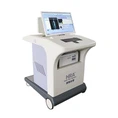

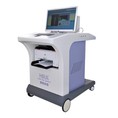
How does a sub - health analyzer detect liver - related sub - health?
In today's fast - paced world, sub - health has become a prevalent concern, especially when it comes to liver - related issues. As a supplier of sub - health analyzers, I am often asked about how these devices can detect liver - related sub - health. In this blog, I will delve into the working principles and technologies behind sub - health analyzers in detecting liver problems.
Understanding Liver - related Sub - health
Before we discuss how sub - health analyzers work, it's essential to understand what liver - related sub - health means. The liver is a vital organ responsible for various functions, including detoxification, metabolism of nutrients, and production of bile. Liver - related sub - health may manifest as fatigue, poor digestion, irregular sleep patterns, and even mild jaundice in some cases. These symptoms may not be severe enough to be diagnosed as a full - blown liver disease, but they indicate that the liver is not functioning at its optimal level.
Working Principles of Sub - health Analyzers
Sub - health analyzers utilize a variety of advanced technologies to detect liver - related sub - health. One of the most common methods is bioelectrical impedance analysis (BIA). BIA measures the electrical resistance of the body tissues. Different tissues, such as fat, muscle, and organs, have different electrical conductivities. The liver, due to its unique structure and function, has a specific electrical impedance signature.
When a sub - health analyzer is used, electrodes are placed on the body, usually on the hands and feet. A small, painless electrical current is passed through the body. The analyzer then measures the resistance encountered by the current as it travels through the tissues. By analyzing the impedance values, the analyzer can estimate the condition of the liver. For example, if the liver is congested or has an abnormal accumulation of substances, the electrical impedance may change, indicating a potential sub - health state.
Another technology used in some sub - health analyzers is spectral analysis. Spectral analysis involves shining a specific type of light on the body and analyzing the reflected or transmitted light. Different molecules in the liver absorb and emit light at specific wavelengths. By detecting these spectral patterns, the analyzer can identify the presence of certain substances or abnormal cellular activities in the liver. For instance, if there is an increased level of bilirubin in the liver (which may indicate liver damage), the spectral analysis can detect the characteristic absorption peaks associated with bilirubin.
Detecting Specific Liver - related Sub - health Conditions
Sub - health analyzers can detect several liver - related sub - health conditions. One of the common conditions is liver qi stagnation in traditional Chinese medicine (TCM) theory. In TCM, liver qi stagnation can lead to emotional problems, such as irritability and depression, as well as physical symptoms like abdominal distension. The analyzer can detect the imbalance in the liver's energy flow by analyzing the bioelectrical signals. It may show abnormal impedance values in the liver area, indicating a disruption in the normal physiological function.


Fatty liver is another prevalent liver - related sub - health condition. In a fatty liver, there is an excessive accumulation of fat in the liver cells. Sub - health analyzers can detect this condition through BIA. Fat has a different electrical impedance compared to normal liver tissue. An increase in fat content in the liver will result in a change in the overall impedance of the liver area. The analyzer can then provide an assessment of the degree of fatty liver, whether it is mild, moderate, or severe.
Advantages of Using Sub - health Analyzers for Liver Detection
There are several advantages of using sub - health analyzers to detect liver - related sub - health. Firstly, they are non - invasive. Unlike traditional medical tests such as liver biopsies, which are invasive and may carry some risks, sub - health analyzers only require the placement of electrodes on the body or the use of light for spectral analysis. This makes them a convenient and painless option for early detection.
Secondly, sub - health analyzers can provide early detection. Liver diseases often develop gradually, and in the early stages, there may be no obvious symptoms. By using a sub - health analyzer regularly, individuals can detect liver - related sub - health conditions at an early stage, allowing for timely intervention and prevention of further deterioration.
Thirdly, sub - health analyzers can provide comprehensive health information. In addition to detecting liver problems, they can also assess the overall health status of the body. For example, they can detect sub - health conditions in other organs such as the heart, kidneys, and digestive system. This comprehensive assessment helps individuals to have a better understanding of their health and take appropriate measures to improve it.
Our Sub - health Analyzers
As a supplier of sub - health analyzers, we offer a range of high - quality products. Our Health Analyzer Machine is a state - of - the - art device that combines multiple detection technologies to provide accurate and comprehensive health assessments. It uses advanced BIA and spectral analysis techniques to detect liver - related sub - health conditions with high precision.
Our Full Body Check - Up Machine is another excellent option. This machine can perform a full - body scan, including detailed analysis of the liver. It provides a detailed report on the health status of the liver, as well as other organs, allowing users to have a complete picture of their health.
Our Human Health Risk Assessment Instrument is designed to assess the overall health risks of an individual. It can identify potential sub - health states in the liver and other parts of the body, and provide personalized health advice based on the assessment results.
Contact Us for Purchase and Consultation
If you are interested in our sub - health analyzers or have any questions about liver - related sub - health detection, we encourage you to contact us. Our team of experts is ready to provide you with detailed information and guidance on how to choose the right analyzer for your needs. Whether you are a healthcare professional looking for a reliable diagnostic tool or an individual concerned about your liver health, our products can meet your requirements.
References
- Coster, H. G., & Korteweg, A. (2009). Bioelectrical impedance analysis: Part I - review of principles and methods. Clinical Nutrition, 28(1), 1–8.
- Wang, Y., & Zhang, X. (2015). Spectral analysis techniques for biological tissue characterization. Journal of Biomedical Optics, 20(1), 010901.
- Zhang, L., & Li, J. (2018). Application of sub - health assessment technology in traditional Chinese medicine. Chinese Journal of Integrative Medicine, 24(12), 937 - 943.