


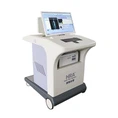

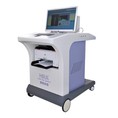
As a trusted supplier of rhinitis treatment instruments, I understand the importance of maintaining the cleanliness and functionality of these devices. Proper cleaning not only ensures the effectiveness of the treatment but also extends the lifespan of the instrument. In this blog post, I will share some detailed and practical tips on how to clean a rhinitis treatment instrument.
Understanding Your Rhinitis Treatment Instrument
Before diving into the cleaning process, it's crucial to understand the type of rhinitis treatment instrument you have. There are various types available in the market, such as the Portable Allergic Rhinitis Treatment Instrument, Apparatus for Relieving Allergic Rhinitis, and Chronic Allergic Rhinitis Treatment Instrument. Each type may have specific cleaning requirements based on its design, materials, and components.
General Cleaning Guidelines
Regardless of the type of rhinitis treatment instrument, there are some general cleaning guidelines that you should follow:
- Read the User Manual: The user manual provides specific instructions on how to clean and maintain your instrument. It is essential to read and follow these instructions carefully to avoid damaging the device.
- Turn Off and Unplug the Instrument: Before cleaning, make sure the instrument is turned off and unplugged from the power source to prevent electrical shock.
- Gather the Necessary Cleaning Supplies: You will need a soft, lint-free cloth, mild soap or cleaning solution, and distilled water. Avoid using harsh chemicals, abrasive cleaners, or solvents, as they can damage the instrument.
- Clean the Exterior: Wipe the exterior of the instrument with a soft, damp cloth to remove any dust, dirt, or debris. You can use a mild soap or cleaning solution if necessary, but make sure to rinse the cloth thoroughly before wiping the instrument to avoid leaving any residue.
- Clean the Disposable Parts: If your instrument has disposable parts, such as filters or nasal tips, replace them regularly according to the manufacturer's instructions. Dispose of the used parts properly to prevent the spread of bacteria or other contaminants.
- Clean the Non-Disposable Parts: For non-disposable parts, such as the device housing or control panel, you can use a soft, damp cloth to wipe them clean. If there are stubborn stains or dirt, you can use a mild soap or cleaning solution, but make sure to rinse the cloth thoroughly before wiping the instrument to avoid leaving any residue.
- Dry the Instrument: After cleaning, use a dry, soft cloth to dry the instrument thoroughly. Make sure there is no moisture left on the instrument before storing it.
- Store the Instrument Properly: Store the instrument in a clean, dry place away from direct sunlight, heat, and moisture. You can use a protective case or cover to prevent dust and dirt from accumulating on the instrument.
Cleaning Specific Types of Rhinitis Treatment Instruments
Now, let's take a closer look at how to clean some specific types of rhinitis treatment instruments:
Portable Allergic Rhinitis Treatment Instrument
The Portable Allergic Rhinitis Treatment Instrument is a convenient and easy-to-use device that can be used at home or on the go. Here's how to clean it:
- Remove the Battery: If your portable instrument is battery-powered, remove the battery before cleaning to prevent electrical shock.
- Clean the Exterior: Wipe the exterior of the instrument with a soft, damp cloth to remove any dust, dirt, or debris. You can use a mild soap or cleaning solution if necessary, but make sure to rinse the cloth thoroughly before wiping the instrument to avoid leaving any residue.
- Clean the Nasal Tips: If your instrument has nasal tips, remove them from the device and clean them separately. You can use a mild soap or cleaning solution to clean the nasal tips, but make sure to rinse them thoroughly and dry them completely before reattaching them to the device.
- Clean the Device Housing: Use a soft, damp cloth to wipe the device housing clean. If there are stubborn stains or dirt, you can use a mild soap or cleaning solution, but make sure to rinse the cloth thoroughly before wiping the instrument to avoid leaving any residue.
- Dry the Instrument: After cleaning, use a dry, soft cloth to dry the instrument thoroughly. Make sure there is no moisture left on the instrument before storing it.
- Reinsert the Battery: If you removed the battery, reinsert it into the instrument and make sure it is properly seated.
Apparatus for Relieving Allergic Rhinitis
The Apparatus for Relieving Allergic Rhinitis is a more advanced device that may have additional features and components. Here's how to clean it:


- Turn Off and Unplug the Instrument: Before cleaning, make sure the instrument is turned off and unplugged from the power source to prevent electrical shock.
- Clean the Exterior: Wipe the exterior of the instrument with a soft, damp cloth to remove any dust, dirt, or debris. You can use a mild soap or cleaning solution if necessary, but make sure to rinse the cloth thoroughly before wiping the instrument to avoid leaving any residue.
- Clean the Disposable Parts: If your instrument has disposable parts, such as filters or nasal tips, replace them regularly according to the manufacturer's instructions. Dispose of the used parts properly to prevent the spread of bacteria or other contaminants.
- Clean the Non-Disposable Parts: For non-disposable parts, such as the device housing or control panel, you can use a soft, damp cloth to wipe them clean. If there are stubborn stains or dirt, you can use a mild soap or cleaning solution, but make sure to rinse the cloth thoroughly before wiping the instrument to avoid leaving any residue.
- Clean the Air Intake and Exhaust Ports: Use a soft, dry brush or compressed air to clean the air intake and exhaust ports to remove any dust or debris. Make sure the ports are clear to ensure proper airflow and ventilation.
- Dry the Instrument: After cleaning, use a dry, soft cloth to dry the instrument thoroughly. Make sure there is no moisture left on the instrument before storing it.
- Store the Instrument Properly: Store the instrument in a clean, dry place away from direct sunlight, heat, and moisture. You can use a protective case or cover to prevent dust and dirt from accumulating on the instrument.
Chronic Allergic Rhinitis Treatment Instrument
The Chronic Allergic Rhinitis Treatment Instrument is a specialized device that may require more frequent cleaning and maintenance. Here's how to clean it:
- Turn Off and Unplug the Instrument: Before cleaning, make sure the instrument is turned off and unplugged from the power source to prevent electrical shock.
- Clean the Exterior: Wipe the exterior of the instrument with a soft, damp cloth to remove any dust, dirt, or debris. You can use a mild soap or cleaning solution if necessary, but make sure to rinse the cloth thoroughly before wiping the instrument to avoid leaving any residue.
- Clean the Disposable Parts: If your instrument has disposable parts, such as filters or nasal tips, replace them regularly according to the manufacturer's instructions. Dispose of the used parts properly to prevent the spread of bacteria or other contaminants.
- Clean the Non-Disposable Parts: For non-disposable parts, such as the device housing or control panel, you can use a soft, damp cloth to wipe them clean. If there are stubborn stains or dirt, you can use a mild soap or cleaning solution, but make sure to rinse the cloth thoroughly before wiping the instrument to avoid leaving any residue.
- Clean the Water Reservoir: If your instrument has a water reservoir, empty and clean it regularly to prevent the growth of bacteria or mold. You can use a mild soap or cleaning solution to clean the reservoir, but make sure to rinse it thoroughly and dry it completely before refilling it with water.
- Clean the Nebulizer or Humidifier: If your instrument has a nebulizer or humidifier, clean it according to the manufacturer's instructions. This may involve disassembling the device, cleaning the parts with a mild soap or cleaning solution, and rinsing them thoroughly before reassembling the device.
- Dry the Instrument: After cleaning, use a dry, soft cloth to dry the instrument thoroughly. Make sure there is no moisture left on the instrument before storing it.
- Store the Instrument Properly: Store the instrument in a clean, dry place away from direct sunlight, heat, and moisture. You can use a protective case or cover to prevent dust and dirt from accumulating on the instrument.
Importance of Regular Cleaning
Regular cleaning of your rhinitis treatment instrument is essential for several reasons:
- Maintain Effectiveness: A clean instrument ensures that the treatment is delivered effectively, as it prevents the buildup of dirt, dust, or other contaminants that can interfere with the device's performance.
- Prevent the Spread of Bacteria and Other Contaminants: A dirty instrument can harbor bacteria, viruses, or other contaminants, which can increase the risk of infection or other health problems. Regular cleaning helps to prevent the spread of these contaminants and keeps you and your family safe.
- Extend the Lifespan of the Instrument: Proper cleaning and maintenance can help to extend the lifespan of your instrument, saving you money in the long run. By following the manufacturer's instructions and cleaning the instrument regularly, you can prevent damage and ensure that it continues to function properly for years to come.
Contact Us for More Information
If you have any questions or need further assistance with cleaning your rhinitis treatment instrument, please do not hesitate to contact us. As a leading supplier of rhinitis treatment instruments, we are committed to providing our customers with high-quality products and excellent customer service. We can help you choose the right instrument for your needs, provide you with detailed instructions on how to clean and maintain it, and answer any other questions you may have.
Whether you are a healthcare professional, a patient, or someone who is interested in learning more about rhinitis treatment instruments, we invite you to contact us to discuss your options and explore how we can help you. We look forward to hearing from you and working with you to improve your health and well-being.
References
- Manufacturer's User Manuals for Rhinitis Treatment Instruments
- American Academy of Otolaryngology - Head and Neck Surgery. (n.d.). Rhinitis. Retrieved from https://www.entnet.org/content/rhinitis
- Mayo Clinic. (n.d.). Rhinitis. Retrieved from https://www.mayoclinic.org/diseases-conditions/rhinitis/symptoms-causes/syc-20351657