


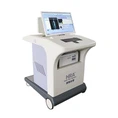

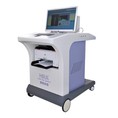
In the ever - evolving landscape of medical technology, the question of whether a red blood cell detector can be portable is not only relevant but also crucial for many healthcare applications. As a supplier of red blood cell detectors, I am well - versed in the intricacies of this technology and its portability aspects.
The Significance of Red Blood Cell Detection
Red blood cells (RBCs) play a vital role in our bodies. They are responsible for transporting oxygen from the lungs to the rest of the body and carrying carbon dioxide back to the lungs for exhalation. Abnormalities in the number, size, or shape of red blood cells can indicate various health conditions, such as anemia, polycythemia, or certain genetic disorders. Therefore, accurate and timely detection of red blood cells is essential for diagnosis, treatment, and monitoring of patients.
Traditional red blood cell detection methods often involve large, stationary laboratory equipment. These devices are typically found in hospitals, clinics, and research laboratories. They offer high precision and reliability, but their non - portability limits their use in certain scenarios. For example, in remote areas where access to a well - equipped laboratory is limited, or in emergency situations where immediate results are needed, the lack of a portable red blood cell detector can be a significant drawback.
Technological Advancements Enabling Portability
Over the past few decades, there have been remarkable technological advancements that have made it possible to develop portable red blood cell detectors. Miniaturization of components is one of the key factors. With the development of microfluidics and nanotechnology, it has become feasible to integrate complex detection mechanisms into small, handheld devices.
Microfluidic chips can be designed to handle small volumes of blood samples. These chips can mimic the functions of larger laboratory equipment by separating red blood cells from other blood components, counting them, and analyzing their characteristics. The use of optical sensors and imaging techniques on these microfluidic platforms allows for real - time and accurate detection of red blood cells.
Another important advancement is the improvement in battery technology. Portable red blood cell detectors need to be powered efficiently, and modern rechargeable batteries with high energy density can provide sufficient power for these devices to operate for extended periods without the need for a continuous power supply.
Advantages of Portable Red Blood Cell Detectors
The portability of red blood cell detectors brings several advantages. Firstly, it enhances accessibility to healthcare. In rural or underserved areas, where there may be a shortage of medical facilities, portable detectors can be taken directly to the patients. This enables early detection of red blood cell - related disorders, which can lead to timely treatment and better health outcomes.
Secondly, portable detectors are ideal for point - of - care testing. In emergency rooms, ambulances, or during home healthcare visits, healthcare providers can quickly obtain red blood cell test results without having to send samples to a distant laboratory. This saves time, especially in critical situations where every second counts.
Thirdly, for patients with chronic conditions that require regular monitoring of their red blood cell parameters, portable detectors offer convenience. They can perform self - testing at home and share the results with their healthcare providers, reducing the need for frequent hospital visits.
Challenges in Developing Portable Red Blood Cell Detectors
Despite the significant progress, there are still challenges in developing fully functional and reliable portable red blood cell detectors. One of the main challenges is maintaining the same level of accuracy as traditional laboratory equipment. The small size of portable detectors may limit the complexity of the detection mechanisms, which can affect the precision of the results.
Calibration is another issue. Portable detectors need to be calibrated regularly to ensure accurate and consistent results. However, calibration can be more difficult in a portable device compared to a stationary laboratory instrument, especially in resource - limited settings.
Cost is also a factor. Developing and manufacturing portable red blood cell detectors with advanced features can be expensive. This may limit their widespread adoption, especially in developing countries where budget constraints are a major concern.
Our Company's Role as a Supplier
As a supplier of Red Blood Cell Detector, we are committed to addressing these challenges. We invest heavily in research and development to improve the accuracy and reliability of our portable detectors. Our team of scientists and engineers work tirelessly to optimize the design of our devices, using the latest technological advancements.
We also focus on providing comprehensive calibration and maintenance services. Our customers can rely on us to ensure that their portable red blood cell detectors are always calibrated correctly and functioning properly.
In terms of cost, we strive to make our products affordable without compromising on quality. We believe that by offering cost - effective solutions, we can increase the accessibility of portable red blood cell detection technology to a wider range of users.
Applications of Our Portable Red Blood Cell Detectors
Our portable red blood cell detectors have a wide range of applications. In the field of primary healthcare, they can be used by general practitioners for routine check - ups. By quickly obtaining red blood cell test results, doctors can make more informed decisions about patient care.
In the context of disaster relief and humanitarian aid, our portable detectors are invaluable. In areas affected by natural disasters or conflicts, where medical infrastructure is often damaged or non - existent, our devices can be deployed to provide immediate blood testing services.
For sports medicine, our portable red blood cell detectors can be used to monitor the hematological status of athletes. This helps in optimizing training programs and ensuring the health and performance of athletes.
The Future of Portable Red Blood Cell Detection
The future of portable red blood cell detection looks promising. With the continuous development of technology, we can expect even more advanced and user - friendly portable detectors. Integration with mobile health applications is one of the trends. Patients can connect their portable detectors to their smartphones, allowing for easy storage, analysis, and sharing of their red blood cell data.
Artificial intelligence (AI) and machine learning algorithms can also be incorporated into portable detectors. These algorithms can analyze the red blood cell data more comprehensively, providing more detailed and accurate diagnoses.


Contact Us for Purchase and Collaboration
If you are interested in our Red Blood Cell Detector or Blood Test Device products, we encourage you to reach out to us. Whether you are a healthcare provider, a distributor, or an organization involved in medical research, our team is ready to discuss your specific needs and provide you with the best solutions. You can visit our Blood Test Device Factory page to learn more about our manufacturing capabilities and quality control processes. We look forward to the opportunity to work with you and contribute to the advancement of portable red blood cell detection technology.
References
- Smith, J. K., & Johnson, L. M. (2018). Microfluidic devices for point - of - care diagnostics: a review. Lab on a Chip, 18(1), 1 - 21.
- Brown, A. R., & Green, C. D. (2019). Advances in portable medical devices for blood analysis. Journal of Medical Engineering & Technology, 43(3), 187 - 198.
- Davis, E. F., & Miller, G. H. (2020). The role of artificial intelligence in medical diagnostics. Annual Review of Biomedical Engineering, 22, 345 - 367.