



Is a rhinitis treatment instrument suitable for all types of rhinitis?
As a supplier of rhinitis treatment instruments, I often encounter questions from customers about the suitability of our products for different types of rhinitis. Rhinitis is a common condition characterized by inflammation of the nasal mucosa, and it can be caused by various factors such as allergies, infections, and environmental irritants. There are several types of rhinitis, including allergic rhinitis, non - allergic rhinitis, infectious rhinitis, and atrophic rhinitis. Each type has its own unique symptoms, causes, and treatment requirements.
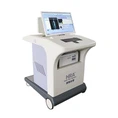
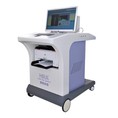
Allergic rhinitis is perhaps the most well - known type. It occurs when the immune system overreacts to allergens such as pollen, dust mites, pet dander, or mold. Symptoms typically include sneezing, itching, a runny nose, and nasal congestion. The Apparatus for Relieving Allergic Rhinitis we offer is designed to target the underlying mechanisms of allergic rhinitis. It uses specific wavelengths of light or other physical therapies to modulate the immune response in the nasal mucosa, reducing the production of inflammatory mediators and alleviating symptoms. The treatment can help to desensitize the nasal passages to allergens over time, providing long - term relief for many patients with allergic rhinitis.
Non - allergic rhinitis, on the other hand, is not related to an allergic reaction. It can be triggered by factors such as changes in temperature, humidity, strong odors, spicy foods, or hormonal changes. Symptoms are similar to those of allergic rhinitis, including nasal congestion, a runny nose, and sneezing. Our Rhinitis Treatment Instrument has been found to be effective for non - allergic rhinitis as well. By promoting blood circulation in the nasal mucosa and reducing inflammation, the instrument can relieve nasal congestion and improve the overall condition of the nasal passages. The physical therapy it provides helps to regulate the function of the nasal blood vessels and mucous glands, which are often disrupted in non - allergic rhinitis.
Infectious rhinitis is usually caused by viruses or bacteria. Viral rhinitis is commonly known as the common cold, and it is self - limiting, usually resolving within a week or two. Bacterial rhinitis may require antibiotic treatment in some cases. Our rhinitis treatment instrument can play a supportive role in the treatment of infectious rhinitis. It can help to reduce inflammation in the nasal mucosa, relieve nasal congestion, and promote the recovery of the damaged nasal tissue. The gentle physical therapy can also enhance the body's immune response, which is beneficial for fighting off the infection. However, it is important to note that it is not a substitute for medical treatment, especially in cases of severe bacterial infections.
Atrophic rhinitis is a relatively rare but more severe form of rhinitis. It is characterized by the atrophy of the nasal mucosa, glands, and turbinates, leading to a dry, crusty nose, foul odor, and sometimes epistaxis. The causes of atrophic rhinitis are not fully understood, but it may be related to nutritional deficiencies, hormonal imbalances, or previous nasal surgeries. Our Apparatus for Relieving Rhinitis can be used as a complementary treatment for atrophic rhinitis. It can help to moisten the nasal mucosa, improve blood circulation, and reduce the formation of crusts. By providing a gentle and continuous treatment, it can slow down the progression of the disease and improve the patient's quality of life.


However, it is important to note that while our rhinitis treatment instruments have shown positive results for many patients with different types of rhinitis, they may not be suitable for everyone. Some patients may have specific medical conditions or sensitivities that prevent them from using the instrument. For example, patients with nasal tumors, severe nasal deformities, or those who are pregnant may need to consult a doctor before using the instrument. In addition, the effectiveness of the treatment may vary from person to person depending on the severity of the rhinitis, the individual's overall health, and their compliance with the treatment protocol.
To ensure the best results, we recommend that patients consult a medical professional before starting treatment with our rhinitis treatment instrument. A doctor can accurately diagnose the type of rhinitis and determine whether the instrument is a suitable treatment option. They can also provide guidance on how to use the instrument correctly and monitor the patient's progress during the treatment.
In conclusion, our rhinitis treatment instruments have the potential to be effective for a wide range of rhinitis types, including allergic rhinitis, non - allergic rhinitis, infectious rhinitis, and atrophic rhinitis. They offer a non - invasive, convenient, and drug - free alternative for many patients. However, individual differences and specific medical conditions need to be taken into account. If you or someone you know is suffering from rhinitis and is interested in learning more about our products, we encourage you to reach out for more information. We are committed to providing high - quality rhinitis treatment solutions and are always ready to engage in procurement discussions to meet your needs. Whether you are a distributor looking to expand your product line or a medical institution seeking effective treatment options for your patients, we welcome you to contact us to explore the possibilities of working together.
References
- "Rhinitis: Diagnosis and Management" - A comprehensive medical guide on the diagnosis and treatment of different types of rhinitis.
- Clinical studies on the effectiveness of physical therapy in treating rhinitis published in peer - reviewed medical journals.