


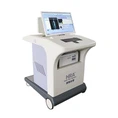

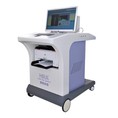
In an era where digital technology has become deeply integrated into healthcare, health risk assessment devices have emerged as invaluable tools for both individuals and healthcare providers. These devices offer a convenient and efficient way to assess an individual's health status, identify potential risks, and provide personalized health recommendations. However, with the increasing amount of sensitive health data being collected and stored by these devices, ensuring user data privacy has become a critical concern. As a leading supplier of health risk assessment devices, we understand the importance of protecting user data privacy and have implemented a comprehensive set of measures to safeguard the confidentiality, integrity, and availability of our users' information.
The Importance of Data Privacy in Health Risk Assessment
Health data is among the most sensitive and personal information an individual can possess. It includes details about a person's medical history, genetic information, lifestyle habits, and current health status. This information is not only private but also has significant implications for an individual's well - being, including potential discrimination in employment, insurance, and other aspects of life.
When it comes to health risk assessment devices, the data collected can be used to make important decisions about a person's health. For example, it can help in early detection of diseases, formulation of personalized treatment plans, and lifestyle modifications. However, if this data falls into the wrong hands, it can be misused for various purposes, such as identity theft, targeted advertising, or even blackmail. Therefore, protecting user data privacy is not only a legal and ethical obligation but also essential for maintaining the trust of our users.


How Our Health Risk Assessment Devices Protect User Data Privacy
1. Data Encryption
One of the primary ways we protect user data is through encryption. Encryption is the process of converting data into a code to prevent unauthorized access. Our health risk assessment devices use advanced encryption algorithms, such as AES (Advanced Encryption Standard), to encrypt all data both in transit and at rest.
When data is being transmitted from the device to our servers, it is encrypted using secure protocols like SSL/TLS (Secure Sockets Layer/Transport Layer Security). This ensures that the data cannot be intercepted or read by anyone who may try to eavesdrop on the communication channel. Once the data reaches our servers, it is stored in an encrypted format, so even if there is a breach of our physical security, the data remains unreadable without the proper decryption keys.
2. Access Control
We have strict access control policies in place to ensure that only authorized personnel can access user data. Our employees are required to undergo thorough background checks before being granted access to sensitive data. Additionally, access to user data is based on the principle of least privilege, which means that employees are only given access to the data that is necessary for them to perform their job functions.
We also use multi - factor authentication for all employees who need to access user data. This typically involves something the employee knows (a password), something they have (a mobile device for receiving one - time verification codes), and something they are (biometric data like fingerprint or facial recognition). This multi - layer approach to access control significantly reduces the risk of unauthorized access to user data.
3. Anonymization and Aggregation
In some cases, we may use user data for research and development purposes to improve our health risk assessment devices and services. However, before using the data for such purposes, we ensure that it is anonymized. Anonymization involves removing or encrypting any personally identifiable information (PII) from the data, such as names, addresses, and social security numbers.
We also aggregate the data, which means combining it in such a way that individual users cannot be identified. This allows us to analyze trends and patterns in the data without compromising the privacy of our users. For example, we can analyze the overall prevalence of certain health conditions in different age groups without knowing the identity of the individuals who contributed to the data.
4. Regular Security Audits and Updates
We conduct regular security audits of our systems and processes to identify and address any potential vulnerabilities. These audits are performed by independent third - party security firms that have expertise in healthcare data security. The results of these audits are used to make necessary improvements to our security measures.
In addition to security audits, we also regularly update our software and firmware to patch any security vulnerabilities that may be discovered. These updates are carefully tested to ensure that they do not cause any disruptions to the normal operation of our devices or services.
Compliance with Regulations
We are committed to complying with all relevant data privacy regulations, such as the General Data Protection Regulation (GDPR) in Europe and the Health Insurance Portability and Accountability Act (HIPAA) in the United States. These regulations set strict standards for the collection, storage, and use of health data and require organizations to implement appropriate security measures to protect user privacy.
By complying with these regulations, we ensure that our users' data is protected to the highest standards. We also provide our users with clear and transparent information about how their data is collected, used, and shared. This includes providing them with options to control their data, such as the ability to opt - out of certain data collection or sharing activities.
The Role of User Education
While we take extensive measures to protect user data privacy, we also believe that user education is an important part of the equation. We provide our users with resources and information about data privacy and security best practices. For example, we encourage our users to use strong passwords, keep their devices updated, and be cautious when sharing their health data with others.
We also offer training and support to our users to help them understand how to use our health risk assessment devices safely and securely. This includes providing clear instructions on how to set up and use the devices, as well as how to protect their data while using the devices.
Conclusion
As a supplier of health risk assessment devices, we recognize that protecting user data privacy is of utmost importance. We have implemented a comprehensive set of measures, including data encryption, access control, anonymization, regular security audits, and compliance with regulations, to safeguard the privacy of our users' health data.
If you are interested in our Physical Examination Instruments or Full Body Check - Up Machine and Full Body Checkup Machine, we invite you to contact us for a procurement discussion. We are confident that our devices not only provide accurate health risk assessments but also ensure the highest level of data privacy and security for our users.
References
- European Union. (2016). Regulation (EU) 2016/679 of the European Parliament and of the Council of 27 April 2016 on the protection of natural persons with regard to the processing of personal data and on the free movement of such data, and repealing Directive 95/46/EC (General Data Protection Regulation).
- United States Department of Health and Human Services. (1996). Health Insurance Portability and Accountability Act of 1996 (HIPAA).