


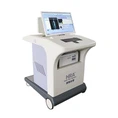

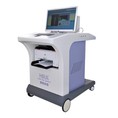
Is it easy to operate a microcirculation therapy device? As a supplier of microcirculation therapy devices, I've encountered numerous inquiries regarding the ease of use of these innovative medical tools. In this blog post, I'll delve into the intricacies of operating a microcirculation therapy device, exploring its user - friendliness, the learning curve, and the overall experience for users.
The Basics of Microcirculation Therapy Devices
Before discussing the operation, it's essential to understand what microcirculation therapy devices are. Microcirculation refers to the blood flow in the smallest blood vessels of the body, including arterioles, capillaries, and venules. A Microcirculation Therapy Device is designed to improve microcirculation, which can have a profound impact on various health conditions. These devices use different technologies, such as low - level laser therapy, electromagnetic fields, or infrared radiation, to stimulate blood flow and enhance tissue oxygenation.
Design for User - Friendliness
One of the primary goals in the development of microcirculation therapy devices is to make them as user - friendly as possible. Most modern devices are designed with simplicity in mind. They often feature a compact and lightweight design, making them easy to handle and transport. For instance, many devices are small enough to fit in a backpack, allowing users to take them on the go and use them at home, in the office, or during travel.
The control panels of these devices are also intuitive. They typically have a limited number of buttons or a touch - screen interface. For example, some devices may have just three buttons: one to turn the device on and off, one to adjust the intensity of the therapy, and another to set the treatment time. This straightforward layout means that even individuals with limited technical knowledge can quickly learn how to operate the device.
Step - by - Step Operation
Let's break down the typical steps for operating a microcirculation therapy device.
1. Preparation
First, ensure that the device is fully charged or connected to a power source. Check the user manual to confirm that all the components are in place and functioning correctly. Some devices may come with additional accessories, such as pads or probes, which need to be attached properly.
2. Positioning
Next, position the device on the area of the body where microcirculation improvement is needed. This could be the hands, feet, or other specific body parts. Make sure that the device is in direct contact with the skin or the treatment area, as proper contact is crucial for the effectiveness of the therapy. Some devices may have adjustable straps or holders to keep the device in place during treatment.
3. Setting the Parameters
Once the device is positioned, set the treatment parameters. This usually involves adjusting the intensity level and the treatment time. The intensity level can be adjusted based on the user's comfort and the specific requirements of the treatment. For example, a beginner may start with a lower intensity level and gradually increase it as they get used to the therapy. The treatment time can also be customized according to the user's needs, with most treatments ranging from 10 to 30 minutes.
4. Starting the Treatment
After setting the parameters, press the start button to begin the treatment. During the treatment, the device will emit the appropriate therapy, such as laser light or electromagnetic waves. The user may feel a mild sensation, such as warmth or a gentle tingling, which is normal and indicates that the therapy is working.


5. Completing the Treatment
When the treatment time is up, the device will automatically stop. Remove the device from the treatment area and store it properly. It's important to clean the device regularly according to the manufacturer's instructions to maintain its performance and longevity.
Learning Curve
The learning curve for operating a microcirculation therapy device is relatively short. Most users can master the basic operation within a few minutes of reading the user manual or watching a short instructional video. However, some users may need a bit more time to understand the optimal settings for their specific health conditions.
For example, individuals with chronic microcirculation problems may need to work with a healthcare professional to determine the most effective intensity level and treatment frequency. In such cases, the healthcare provider can provide personalized guidance based on the patient's medical history and current condition.
Safety Features and Ease of Use
Microcirculation therapy devices are equipped with various safety features, which also contribute to their ease of use. For example, many devices have an over - temperature protection system. If the device overheats during treatment, it will automatically shut down to prevent any damage to the device or harm to the user.
There are also safety mechanisms to prevent incorrect use. For instance, some devices will not start if they are not properly positioned or if the parameters are set outside the safe range. These safety features give users peace of mind and make the operation of the device even more straightforward.
Comparison with Other Medical Devices
Compared to other medical devices, microcirculation therapy devices are generally much easier to operate. For example, devices such as MRI machines or dialysis equipment require highly trained medical professionals to operate them due to their complexity and the potential risks involved. In contrast, microcirculation therapy devices are designed for home use and can be easily managed by individuals themselves.
Potential Challenges
While operating a microcirculation therapy device is generally easy, there may be some potential challenges. For example, some users may have difficulty understanding the technical terms in the user manual. To address this, manufacturers are increasingly providing simplified user guides and online video tutorials.
Another challenge could be the initial adjustment to the therapy. Some users may be hesitant to try the device or may be unsure about the appropriate settings. In such cases, it's advisable to consult a healthcare professional or contact the device supplier for support.
Conclusion
In conclusion, operating a microcirculation therapy device is relatively easy. Thanks to their user - friendly design, intuitive control panels, and straightforward operation steps, these devices can be used by a wide range of individuals. Whether you're a healthcare professional looking to incorporate microcirculation therapy into your practice or an individual seeking to improve your microcirculation at home, you can quickly learn how to operate these devices.
If you're interested in purchasing a Microcirculation Therapy Device or a Microcirculation Disorder Device, I encourage you to reach out to us. We're here to provide you with more information, answer your questions, and assist you in finding the right device for your needs. Contact us to start a discussion about procurement and explore how our microcirculation therapy devices can benefit you.
References
- "Microcirculation and Its Regulation" by Guy R. Hargens and Peter C. Johnson.
- "Therapeutic Applications of Low - Level Laser Therapy" by Michael R. Hamblin and Tiina Karu.