


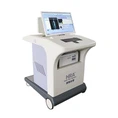

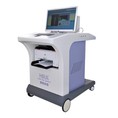
As a supplier of disease diagnosis equipment, I understand the critical importance of proper storage for maintaining the performance and longevity of these sophisticated devices. In this blog post, I will delve into the storage requirements for disease diagnosis equipment, offering insights and guidelines to ensure that your valuable assets remain in optimal condition.
Environmental Conditions
One of the primary factors to consider when storing disease diagnosis equipment is the environmental conditions. Temperature and humidity play a crucial role in the performance and reliability of these devices. Most disease diagnosis equipment is designed to operate within a specific temperature range, typically between 18°C and 25°C (64°F and 77°F). Excessive heat can cause components to overheat, leading to malfunctions and reduced lifespan. On the other hand, extreme cold can cause condensation to form inside the equipment, which can damage sensitive electronic components.
Humidity is another important factor to monitor. High humidity levels can promote the growth of mold and mildew, which can damage the equipment and pose a health risk to users. Conversely, low humidity levels can cause static electricity to build up, which can damage electronic components. It is recommended to maintain a relative humidity level between 30% and 70% to prevent these issues.
In addition to temperature and humidity, it is also important to protect the equipment from dust, dirt, and other contaminants. Dust and dirt can accumulate on the surface of the equipment, clogging air vents and affecting the performance of internal components. To prevent this, it is recommended to store the equipment in a clean, dust-free environment. You can use covers or enclosures to protect the equipment from dust and dirt when it is not in use.
Storage Location
The location where you store your disease diagnosis equipment is also crucial. It is recommended to store the equipment in a dedicated storage area that is separate from other equipment and supplies. This will help to prevent damage to the equipment and ensure that it is easily accessible when needed.
The storage area should be well-ventilated to prevent the buildup of heat and humidity. It should also be located away from sources of heat, such as radiators, heaters, and direct sunlight. Exposure to heat can cause the equipment to overheat and damage sensitive components.
In addition, the storage area should be secure to prevent theft and unauthorized access. You can use locks or security systems to protect the equipment from theft and ensure that only authorized personnel have access to it.
Packaging and Handling
Proper packaging and handling are essential for protecting disease diagnosis equipment during storage and transportation. When storing the equipment, it is recommended to use the original packaging or a suitable replacement. The packaging should be designed to protect the equipment from damage during handling and transportation.


When handling the equipment, it is important to follow the manufacturer's instructions. This may include using proper lifting techniques, avoiding dropping or shaking the equipment, and using protective gloves and clothing. It is also important to avoid exposing the equipment to excessive vibration or shock, as this can damage sensitive components.
Maintenance and Inspection
Regular maintenance and inspection are essential for ensuring the performance and reliability of disease diagnosis equipment. It is recommended to perform regular maintenance tasks, such as cleaning, lubricating, and calibrating the equipment, according to the manufacturer's instructions. This will help to prevent malfunctions and ensure that the equipment is operating at peak performance.
In addition to regular maintenance, it is also important to conduct regular inspections of the equipment. This may include visual inspections, functional tests, and diagnostic checks. By conducting regular inspections, you can identify potential problems early and take corrective action before they become major issues.
Examples of Disease Diagnosis Equipment and Their Storage Requirements
To provide a more practical understanding of the storage requirements for disease diagnosis equipment, let's take a look at some examples of common types of equipment and their specific storage requirements.
Sub-Health Analyzer
The Sub-Health Analyzer is a non-invasive diagnostic device that uses bioelectrical impedance analysis to assess the health status of the body. This device is typically stored in a clean, dry environment at a temperature between 18°C and 25°C (64°F and 77°F) and a relative humidity between 30% and 70%. It should be protected from dust, dirt, and other contaminants and stored in its original packaging or a suitable replacement.
Full Body Health Analyzer Machine
The Full Body Health Analyzer Machine is a comprehensive diagnostic device that uses advanced technologies to evaluate the health status of the entire body. This device is typically stored in a dedicated storage area that is well-ventilated and away from sources of heat and humidity. It should be protected from dust, dirt, and other contaminants and stored in its original packaging or a suitable replacement.
Full Body Checkup Machine
The Full Body Checkup Machine is a multi-functional diagnostic device that can perform a variety of tests and evaluations to assess the health status of the body. This device is typically stored in a clean, dust-free environment at a temperature between 18°C and 25°C (64°F and 77°F) and a relative humidity between 30% and 70%. It should be protected from dust, dirt, and other contaminants and stored in its original packaging or a suitable replacement.
Conclusion
In conclusion, proper storage is essential for maintaining the performance and longevity of disease diagnosis equipment. By following the guidelines outlined in this blog post, you can ensure that your valuable assets remain in optimal condition and provide accurate and reliable diagnostic results for years to come.
If you have any questions or need further information about the storage requirements for disease diagnosis equipment, please do not hesitate to contact us. We are a leading supplier of disease diagnosis equipment and have extensive experience in providing high-quality products and services to our customers. We would be happy to assist you with your procurement needs and provide you with the information and support you need to make an informed decision.
References
- Manufacturer's instructions for disease diagnosis equipment
- Industry standards and best practices for equipment storage
- Research studies on the effects of environmental conditions on equipment performance