


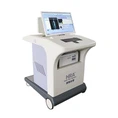

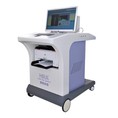
As a supplier of health checkup machines, I've witnessed firsthand the diverse range of devices available in the market. Each type of health checkup machine serves a unique purpose, offering different levels of functionality, accuracy, and application. In this blog, I'll explore the differences between various health checkup machines, shedding light on their features and helping you understand which one might be the most suitable for your specific needs.
Basic Diagnostic Machines
Let's start with the basic diagnostic machines that are commonly found in clinics and general medical practices. These machines are designed to perform fundamental health assessments, providing quick and essential information about a patient's health status.
Blood Pressure Monitors
Blood pressure monitors are one of the most widely used health checkup machines. They measure the force of blood against the walls of the arteries as the heart pumps. There are two main types: manual and automatic. Manual blood pressure monitors, also known as sphygmomanometers, require the user to inflate the cuff manually and listen for the Korotkoff sounds using a stethoscope. Automatic blood pressure monitors, on the other hand, are more user - friendly. They inflate and deflate the cuff automatically and display the blood pressure readings on a digital screen.
The advantage of blood pressure monitors is their simplicity and affordability. They are essential for monitoring hypertension, a common condition that can lead to serious health problems if left untreated. You can easily find them in pharmacies, doctor's offices, and even in many households. To learn more about comprehensive health checkup solutions, visit Health Checkup Machine.
Thermometers
Thermometers are used to measure body temperature, which is a crucial indicator of health. There are several types of thermometers available, including oral, rectal, axillary, tympanic (ear), and infrared (forehead) thermometers. Oral thermometers are the most common and are placed under the tongue to measure temperature. Rectal thermometers are considered the most accurate but are less commonly used, especially in adults.
Tympanic and infrared thermometers are popular for their quick and non - invasive measurement. They can provide a temperature reading within seconds. However, their accuracy can be affected by factors such as improper use or environmental conditions. Thermometers are vital for detecting fevers, which can be a sign of infection or other underlying health issues.
Advanced Diagnostic Machines
Moving on to more advanced diagnostic machines, these are typically found in hospitals, specialized clinics, and diagnostic centers. They offer more in - depth and detailed information about a patient's health.
Electrocardiogram (ECG) Machines
ECG machines record the electrical activity of the heart. Electrodes are attached to the patient's chest, arms, and legs, and the machine measures the electrical impulses generated by the heart as it beats. An ECG can detect various heart conditions, such as arrhythmias, heart attacks, and heart muscle damage.
The results of an ECG are presented as a graph, which shows the different phases of the heart's electrical cycle. Medical professionals analyze the shape, duration, and amplitude of the waves on the ECG to diagnose heart problems. ECG machines are essential for cardiac evaluation and are often used in conjunction with other diagnostic tests.
Ultrasound Machines
Ultrasound machines use high - frequency sound waves to create images of internal organs and tissues. They are non - invasive and do not use ionizing radiation, making them a safe option for many patients. Ultrasound is commonly used to examine the abdomen, pelvis, heart, and blood vessels.
There are different types of ultrasound machines, including portable and stationary models. Portable ultrasound machines are convenient for bedside examinations and can be used in remote areas. Stationary ultrasound machines, on the other hand, offer more advanced features and higher image quality. They are often used in larger medical facilities for more comprehensive examinations. For a full - body health analysis, check out Full Body Health Analyzer Machine.
Comprehensive Health Analyzer Machines
Comprehensive health analyzer machines are designed to provide a holistic view of a patient's health. They combine multiple diagnostic functions into one device, offering a comprehensive health assessment.
Full - Body Health Analyzers
Full - body health analyzers use advanced technologies, such as bioelectrical impedance analysis (BIA), to measure various health parameters simultaneously. These parameters can include body fat percentage, muscle mass, bone density, and internal organ function. Some full - body health analyzers can also detect early signs of diseases by analyzing the body's bioelectrical signals.
These machines are often used in wellness centers, fitness clubs, and preventive medicine clinics. They provide patients with a detailed report of their health status, allowing them to take proactive steps towards improving their health. By using a full - body health analyzer, patients can gain a better understanding of their overall health and make informed decisions about their lifestyle and diet.
Physical Examination Instruments
In addition to the above - mentioned machines, there are also various physical examination instruments that are used by healthcare professionals during routine checkups.
Stethoscopes
Stethoscopes are essential for listening to the sounds of the heart, lungs, and other internal organs. They consist of a chest piece, tubing, and earpieces. The chest piece has two sides: a diaphragm and a bell. The diaphragm is used to listen for high - frequency sounds, such as heart murmurs and breath sounds, while the bell is used for low - frequency sounds.
Stethoscopes are available in different types, including acoustic and electronic stethoscopes. Electronic stethoscopes can amplify sounds and are useful for detecting faint or difficult - to - hear sounds. They are a staple in every doctor's toolkit and are used for diagnosing a wide range of conditions. To explore a variety of physical examination instruments, visit Physical Examination Instruments.


Otoscopes and Ophthalmoscopes
Otoscopes are used to examine the ears, specifically the ear canal and eardrum. They have a light source and a magnifying lens, allowing doctors to detect ear infections, wax buildup, and other ear problems. Ophthalmoscopes, on the other hand, are used to examine the eyes. They can be used to view the retina, optic nerve, and blood vessels in the eye, which can provide valuable information about a patient's overall health, including the presence of diabetes, hypertension, and other systemic diseases.
Choosing the Right Health Checkup Machine
When choosing a health checkup machine, several factors need to be considered. Firstly, you need to determine the purpose of the machine. If you are a healthcare provider, you may need more advanced and accurate machines for diagnosis and treatment. If you are an individual, basic diagnostic machines such as blood pressure monitors and thermometers may be sufficient for home use.
Secondly, consider the cost and maintenance requirements. Advanced machines are often more expensive and may require regular calibration and servicing. Affordability and ease of use are also important factors, especially for home users.
Finally, look for machines that are reliable and have good customer reviews. It's also a good idea to consult with a medical professional or an expert in the field to ensure that you are making the right choice.
Conclusion
In conclusion, the differences between different health checkup machines are significant. From basic diagnostic machines like blood pressure monitors and thermometers to advanced diagnostic machines such as ECG and ultrasound machines, each type serves a specific purpose in the healthcare field. Comprehensive health analyzer machines offer a more holistic approach to health assessment, while physical examination instruments are essential for routine checkups.
As a supplier of health checkup machines, I understand the importance of providing high - quality, reliable, and user - friendly devices. Whether you are a healthcare provider looking to upgrade your diagnostic equipment or an individual interested in monitoring your own health, I can offer you a wide range of options to meet your needs.
If you are interested in purchasing health checkup machines or have any questions about our products, please feel free to contact us for a procurement discussion. We are committed to providing you with the best solutions for your health checkup requirements.
References
- Guyton, A. C., & Hall, J. E. (2006). Textbook of Medical Physiology. Saunders Elsevier.
- Isselbacher, K. J., Braunwald, E., Wilson, J. D., Martin, J. B., Fauci, A. S., & Kasper, D. L. (1994). Harrison's Principles of Internal Medicine. McGraw - Hill.
- Kumar, V., Abbas, A. K., Aster, J. C. (2015). Robbins and Cotran Pathologic Basis of Disease. Elsevier.