


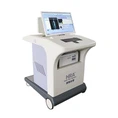

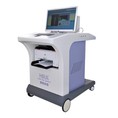
As a supplier of red blood cell detectors, one of the most frequently asked questions I encounter is, "How long does it take for a red blood cell detector to give results?" This question is crucial for medical professionals, patients, and anyone involved in the healthcare industry, as timely results can significantly impact diagnosis and treatment decisions. In this blog post, I will delve into the factors that influence the result time of red blood cell detectors and provide insights into the typical timeframes you can expect.
Understanding the Red Blood Cell Detection Process
Before we discuss the result time, it's essential to understand how red blood cell detectors work. These devices are designed to analyze blood samples and provide information about the number, size, and shape of red blood cells. The detection process typically involves the following steps:
- Sample Collection: A small amount of blood is collected from the patient using a needle or a lancet. The blood sample is then placed in a test tube or a specialized cartridge.
- Sample Preparation: The blood sample may need to be diluted or mixed with reagents to prepare it for analysis. This step ensures that the red blood cells are evenly distributed and ready for detection.
- Detection: The prepared blood sample is introduced into the red blood cell detector. The device uses various techniques, such as electrical impedance, optical scattering, or fluorescence, to detect and count the red blood cells.
- Data Analysis: The detector analyzes the data collected during the detection process and calculates the relevant parameters, such as the red blood cell count, hemoglobin concentration, and hematocrit.
- Result Display: The final results are displayed on the detector's screen or printed out on a report.
Factors Affecting the Result Time
The time it takes for a red blood cell detector to give results can vary depending on several factors, including:
- Device Type: Different types of red blood cell detectors have different detection speeds. For example, portable or point-of-care detectors are designed to provide rapid results, typically within a few minutes. On the other hand, laboratory-based detectors may take longer to analyze the samples but can provide more comprehensive and accurate results.
- Sample Volume: The volume of the blood sample can also affect the result time. Larger sample volumes may require more time for analysis, especially if the detector needs to process the sample in multiple steps.
- Detection Method: The detection method used by the detector can influence the result time. Some methods, such as electrical impedance, are relatively fast and can provide results within seconds. Other methods, such as fluorescence, may require more time for sample preparation and data analysis.
- Sample Complexity: The complexity of the blood sample can also impact the result time. Samples with abnormal red blood cell shapes or sizes may require additional analysis and processing, which can increase the overall time.
- Device Settings: The settings of the red blood cell detector can be adjusted to optimize the detection process. For example, increasing the sensitivity of the detector may result in more accurate results but may also take longer to analyze the samples.
Typical Result Timeframes
Based on the factors mentioned above, the typical result timeframes for red blood cell detectors can range from a few seconds to several minutes or even hours. Here are some general guidelines:
- Portable or Point-of-Care Detectors: These detectors are designed for rapid testing and can provide results within 1 to 5 minutes. They are commonly used in clinics, doctor's offices, and emergency departments, where quick results are essential.
- Mid-Sized Laboratory Detectors: These detectors are suitable for medium-sized laboratories and can analyze multiple samples simultaneously. They typically provide results within 5 to 15 minutes, depending on the sample volume and complexity.
- High-Volume Laboratory Detectors: These detectors are designed for large-scale testing and can process a high number of samples per hour. They may take 15 to 30 minutes or more to analyze the samples, but they can provide more comprehensive and accurate results.
Importance of Timely Results
Timely results from red blood cell detectors are crucial for several reasons:
- Diagnosis: Quick results can help medical professionals make accurate diagnoses and initiate appropriate treatment plans. For example, a low red blood cell count may indicate anemia, while a high count may suggest polycythemia.
- Treatment Monitoring: Regular monitoring of red blood cell parameters can help healthcare providers assess the effectiveness of treatment and make necessary adjustments. For example, if a patient is receiving iron supplements for anemia, monitoring the red blood cell count can help determine if the treatment is working.
- Patient Care: Timely results can improve patient care by reducing waiting times and providing patients with prompt feedback. This can enhance patient satisfaction and compliance with treatment plans.
Our Red Blood Cell Detectors
As a leading supplier of red blood cell detectors, we offer a range of devices that are designed to meet the diverse needs of healthcare providers. Our detectors are known for their accuracy, reliability, and fast result times. Here are some of the key features of our products:
- Rapid Results: Our portable and point-of-care detectors can provide results within minutes, allowing for quick decision-making and treatment initiation.
- High Accuracy: Our detectors use advanced detection technologies to ensure accurate and reliable results, even in challenging samples.
- User-Friendly Interface: Our devices are easy to operate and require minimal training, making them suitable for use in various healthcare settings.
- Comprehensive Analysis: Our detectors can provide a wide range of parameters, including red blood cell count, hemoglobin concentration, hematocrit, and red blood cell indices, to support comprehensive diagnosis and treatment monitoring.
If you are interested in learning more about our Red Blood Cell Detector or other Blood Test Device products, please visit our website or contact us for more information. We also welcome you to visit our Blood Test Device Factory to see our products in action and discuss your specific requirements.
Conclusion
In conclusion, the time it takes for a red blood cell detector to give results depends on several factors, including the device type, sample volume, detection method, sample complexity, and device settings. Portable or point-of-care detectors can provide rapid results within minutes, while laboratory-based detectors may take longer but can offer more comprehensive and accurate results. Timely results are essential for accurate diagnosis, treatment monitoring, and patient care. As a supplier of red blood cell detectors, we are committed to providing high-quality devices that offer fast and reliable results to meet the needs of healthcare providers. If you have any questions or would like to discuss your specific requirements, please do not hesitate to contact us. We look forward to working with you to improve the quality of healthcare.

