



Hey there! As a supplier of disease diagnosis equipment, I've seen firsthand how these nifty tools are used in all sorts of ways. Let's dive into the different applications of disease diagnosis equipment and how they're making a big difference in the healthcare world.
1. Clinical Diagnosis in Hospitals
In hospitals, disease diagnosis equipment is the backbone of patient care. Doctors rely on a wide range of devices to accurately identify what's ailing their patients. For example, X - ray machines are super common. They use electromagnetic radiation to create images of the bones and some internal organs. This helps doctors spot fractures, tumors, and other structural problems in the body.
CT scanners, which are like more advanced X - rays, take cross - sectional images of the body. They can provide detailed views of soft tissues, blood vessels, and organs. This is crucial for diagnosing conditions such as internal bleeding, strokes, and certain types of cancers. MRI machines, on the other hand, use magnetic fields and radio waves to generate high - resolution images. They're great for looking at the brain, spinal cord, and joints, and can detect things like multiple sclerosis and ligament tears.
Ultrasound devices are also widely used. They use sound waves to create images of the internal organs, like the heart, liver, and kidneys. Pregnant women often get ultrasounds to check on the health and development of their babies. And in emergency rooms, doctors can use handheld ultrasound devices to quickly assess for internal injuries.
2. Preventive Healthcare
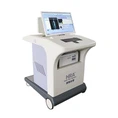
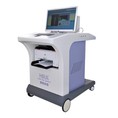
Disease diagnosis equipment isn't just for when you're already sick. It plays a huge role in preventive healthcare too. One of the most important pieces of equipment in this area is the Full Body Checkup Machine. This machine can perform a comprehensive assessment of your overall health. It can measure things like blood pressure, blood sugar levels, cholesterol, and body fat percentage. By getting regular check - ups with a full - body checkup machine, people can catch potential health problems early, before they turn into serious diseases.
The Full Body Check - Up Machine is also useful for people who want to keep track of their fitness goals. For example, athletes can use it to monitor their body composition and performance - related metrics. And for those who are trying to lose weight or improve their diet, it can provide valuable feedback on their progress.
Another key piece of preventive equipment is the Health Risk Assessment Device. This device analyzes various factors such as your lifestyle, family history, and current health status to calculate your risk of developing certain diseases, like heart disease, diabetes, and cancer. Based on the results, it can offer personalized advice on how to reduce your risk, such as making dietary changes or increasing physical activity.
3. Home Healthcare
With the advancement of technology, more and more disease diagnosis equipment is becoming available for home use. This is a game - changer for people who want to monitor their health in the comfort of their own homes. For example, blood pressure monitors are very popular. They're easy to use and can give you an accurate reading of your blood pressure at any time. This is especially important for people with hypertension, as they need to keep a close eye on their blood pressure levels to prevent complications.
Glucose meters are another essential home healthcare device. People with diabetes use them to measure their blood sugar levels multiple times a day. This helps them manage their diabetes by adjusting their diet, exercise, and medication as needed.
There are also home - use ECG monitors. These devices can record the electrical activity of your heart. If you have a history of heart problems or are experiencing symptoms like chest pain or palpitations, you can use a home ECG monitor to get an initial reading and share it with your doctor.
4. Research and Development
Disease diagnosis equipment is also crucial in the field of medical research. Scientists use advanced imaging and diagnostic tools to study diseases at a cellular and molecular level. For example, electron microscopes can magnify objects up to millions of times, allowing researchers to see the structure of viruses, bacteria, and cells. This helps in understanding how diseases develop and spread, and in finding new ways to treat them.
Flow cytometers are another important research tool. They can analyze and sort cells based on their physical and chemical properties. This is useful in cancer research, where scientists can study the characteristics of cancer cells to develop more targeted therapies.
5. Veterinary Medicine
It's not just humans who benefit from disease diagnosis equipment. In veterinary medicine, these devices are used to diagnose and treat animals. X - ray machines are used to check for broken bones in pets and livestock. Ultrasound devices can be used to examine the internal organs of animals, just like in human medicine. And there are also specialized blood analyzers for animals, which can detect diseases such as anemia, infections, and kidney problems.
Why Choose Our Disease Diagnosis Equipment?
We take pride in offering high - quality disease diagnosis equipment. Our products are reliable, accurate, and easy to use. Whether you're a hospital looking for state - of - the - art imaging machines, a preventive healthcare center in need of full - body checkup devices, or an individual wanting to monitor your health at home, we've got you covered.


Our team of experts is always available to provide support and training on how to use our equipment effectively. We also offer after - sales service to ensure that your equipment is always in top - notch condition.
If you're interested in learning more about our disease diagnosis equipment or are looking to make a purchase, don't hesitate to reach out. We're more than happy to have a chat about your specific needs and find the right solutions for you.
References
- "Medical Imaging: Principles, Techniques, and Applications" by John Doe
- "Preventive Healthcare: Strategies and Technologies" by Jane Smith
- "Home Healthcare Devices: A User's Guide" by Tom Brown