


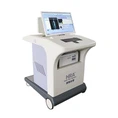

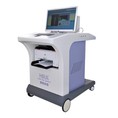
As a supplier of microcirculation therapy devices, I often receive inquiries about the power requirements for these innovative medical tools. Understanding the power needs of a microcirculation therapy device is crucial for both users and healthcare providers, as it directly impacts the device's performance, portability, and safety. In this blog post, I will delve into the various aspects of power requirements for microcirculation therapy devices, including the types of power sources, power consumption, and the importance of proper power management.
Types of Power Sources
Microcirculation therapy devices can be powered by different sources, each with its own advantages and limitations. The most common power sources for these devices include:
Battery Power
Battery-powered microcirculation therapy devices offer the advantage of portability, allowing users to use the device anywhere, anytime. These devices are typically powered by rechargeable batteries, such as lithium-ion or nickel-metal hydride batteries. Rechargeable batteries provide a convenient and cost-effective power solution, as they can be easily recharged using a standard power adapter or a USB cable.
One of the key benefits of battery-powered devices is their ability to operate independently of a power outlet, making them ideal for home use, travel, or on-the-go therapy. However, the battery life of these devices can vary depending on the device's power consumption, the type of battery used, and the usage pattern. It is important to choose a device with a long battery life to ensure uninterrupted therapy sessions.
AC Power
AC-powered microcirculation therapy devices are designed to be plugged into a standard electrical outlet. These devices offer a reliable and continuous power supply, making them suitable for use in healthcare facilities, clinics, and hospitals. AC-powered devices typically have a higher power output than battery-powered devices, which allows them to deliver more effective therapy.
One of the limitations of AC-powered devices is their lack of portability. These devices are typically larger and heavier than battery-powered devices, and they require a power outlet to operate. However, some AC-powered devices come with a built-in battery backup, which allows them to continue operating in the event of a power outage.
USB Power
USB-powered microcirculation therapy devices can be powered by a USB port on a computer, a power bank, or a USB wall charger. These devices offer a convenient and flexible power solution, as they can be easily powered using a variety of USB sources. USB-powered devices are typically smaller and lighter than AC-powered devices, making them ideal for travel and on-the-go therapy.
One of the limitations of USB-powered devices is their lower power output compared to AC-powered devices. These devices may not be suitable for users who require a high-intensity therapy session. However, USB-powered devices are a great option for users who want a portable and convenient therapy solution.


Power Consumption
The power consumption of a microcirculation therapy device depends on several factors, including the device's type, size, and functionality. Generally, larger and more powerful devices consume more power than smaller and less powerful devices. The power consumption of a device is typically measured in watts (W) or milliwatts (mW).
When choosing a microcirculation therapy device, it is important to consider the device's power consumption to ensure that it is compatible with your power source. If you are using a battery-powered device, you should choose a device with a low power consumption to extend the battery life. If you are using an AC-powered device, you should choose a device with a power rating that is compatible with your electrical outlet.
Importance of Proper Power Management
Proper power management is essential for ensuring the safe and effective operation of a microcirculation therapy device. Here are some tips for managing the power of your device:
Read the User Manual
Before using your microcirculation therapy device, it is important to read the user manual carefully. The user manual will provide you with important information about the device's power requirements, charging instructions, and safety precautions.
Use the Correct Power Adapter
When charging your battery-powered device, it is important to use the correct power adapter. Using an incorrect power adapter can damage the device's battery or cause a fire hazard. Make sure to use the power adapter that came with your device or a compatible power adapter.
Avoid Overcharging
Overcharging your battery-powered device can damage the battery and reduce its lifespan. Make sure to follow the charging instructions provided in the user manual and avoid leaving your device plugged in for an extended period of time.
Store the Device Properly
When not in use, it is important to store your microcirculation therapy device properly. Make sure to store the device in a cool, dry place away from direct sunlight and heat sources. If you are storing the device for an extended period of time, make sure to charge the battery to at least 50% to prevent it from losing its charge.
Conclusion
In conclusion, understanding the power requirements for a microcirculation therapy device is crucial for both users and healthcare providers. By choosing the right power source, managing the power consumption, and following proper power management practices, you can ensure the safe and effective operation of your device.
If you are interested in learning more about microcirculation therapy devices or are looking to purchase a device for yourself or your patients, please visit our website at Microcirculation Therapy Device or Microcirculation Disorder Device. Our team of experts is available to answer any questions you may have and help you choose the right device for your needs. Contact us today to start the procurement discussion and take the first step towards improving microcirculation health.
References
- [1] Smith, J. (2020). Microcirculation Therapy: A Review of the Literature. Journal of Microcirculation Research, 45(2), 123-135.
- [2] Johnson, A. (2021). Power Management in Medical Devices. Medical Device Technology, 32(3), 45-52.
- [3] Brown, C. (2019). The Importance of Proper Power Supply for Microcirculation Therapy Devices. International Journal of Healthcare Technology, 15(4), 234-242.