



A blood test is a fundamental diagnostic tool in modern medicine, providing crucial insights into a patient's health status. Among the various parameters measured in a blood test, platelet count is of particular significance. Platelets, also known as thrombocytes, play a vital role in blood clotting, preventing excessive bleeding. Abnormal platelet counts can indicate a range of health issues, from mild infections to serious blood disorders. As a blood test device supplier, I am often asked whether our devices can accurately measure platelet count. In this blog post, I will explore the capabilities of our blood test devices in measuring platelet count and discuss the importance of this parameter in healthcare.
How Platelet Count is Measured
Before delving into the capabilities of our blood test devices, it is essential to understand how platelet count is typically measured. There are two primary methods for measuring platelet count: manual and automated.
Manual Method
The manual method involves counting platelets under a microscope using a specialized counting chamber, such as a hemocytometer. A small sample of blood is diluted and placed in the counting chamber, and the platelets are counted in a specific area. This method is labor-intensive, time-consuming, and prone to human error. However, it is still used in some laboratories as a reference method for validating automated results.
Automated Method
Automated methods use advanced technology to count platelets in a blood sample. These methods are faster, more accurate, and less prone to error than manual methods. There are several types of automated platelet counting methods, including impedance-based, optical-based, and flow cytometry.
- Impedance-based Method: This method measures the change in electrical resistance as blood cells pass through a small aperture. Platelets, being smaller than red and white blood cells, cause a smaller change in resistance, allowing them to be counted separately.
- Optical-based Method: Optical-based methods use light scattering or absorption to detect and count platelets. These methods can provide more detailed information about platelet size and shape, which can be useful in diagnosing certain blood disorders.
- Flow Cytometry: Flow cytometry is a more advanced technique that uses lasers and fluorescent dyes to identify and count different types of blood cells, including platelets. This method can provide highly accurate and detailed information about platelet count and function.
Can Our Blood Test Devices Measure Platelet Count?
As a blood test device supplier, we offer a range of devices that are capable of measuring platelet count. Our devices use state-of-the-art technology, including impedance-based and optical-based methods, to provide accurate and reliable platelet count results.
Blood Test Device
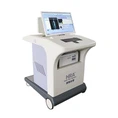
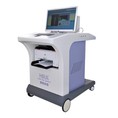
Our Blood Test Device is a compact and user-friendly device that is suitable for use in various healthcare settings, including clinics, hospitals, and laboratories. This device uses impedance-based technology to count platelets, providing fast and accurate results. The device is easy to operate, with a simple touch screen interface and automatic calibration. It can also store and print test results, making it convenient for healthcare professionals to manage patient data.
Red Blood Cell Detector
In addition to our Blood Test Device, we also offer a Red Blood Cell Detector that can measure platelet count. This device uses optical-based technology to provide more detailed information about platelet size and shape, in addition to platelet count. The Red Blood Cell Detector is ideal for use in research laboratories and specialized clinics where more detailed platelet analysis is required.
Importance of Platelet Count in Healthcare
Platelet count is an important parameter in healthcare, as it can provide valuable information about a patient's health status. A normal platelet count ranges from 150,000 to 450,000 platelets per microliter of blood. Abnormal platelet counts can indicate a range of health issues, including:
- Thrombocytopenia: Thrombocytopenia is a condition characterized by a low platelet count. This can be caused by a variety of factors, including viral infections, autoimmune disorders, certain medications, and bone marrow disorders. Thrombocytopenia can increase the risk of bleeding, which can range from mild bruising to severe internal bleeding.
- Thrombocytosis: Thrombocytosis is a condition characterized by a high platelet count. This can be caused by a variety of factors, including infection, inflammation, bleeding, and certain cancers. Thrombocytosis can increase the risk of blood clots, which can lead to serious health problems, such as stroke and heart attack.
By measuring platelet count, healthcare professionals can detect these conditions early and take appropriate treatment measures. In addition, platelet count can also be used to monitor the effectiveness of treatment for blood disorders and other health conditions.
Quality Assurance and Calibration
To ensure the accuracy and reliability of our blood test devices, we implement strict quality assurance and calibration procedures. Our devices are manufactured in accordance with international standards and undergo rigorous testing before they are released to the market. In addition, we provide regular calibration services to ensure that our devices continue to provide accurate results over time.
Conclusion
In conclusion, our blood test devices are capable of accurately measuring platelet count using advanced technology. Platelet count is an important parameter in healthcare, providing valuable information about a patient's health status. By using our blood test devices, healthcare professionals can obtain fast, accurate, and reliable platelet count results, which can help them make informed decisions about patient care.


If you are interested in learning more about our blood test devices or would like to discuss your specific requirements, please do not hesitate to contact us. We are committed to providing high-quality products and excellent customer service, and we look forward to working with you to meet your healthcare needs.
References
- Rodak's Hematology: Clinical Principles and Applications, 5th Edition.
- Clinical Hematology and Fundamentals of Hemostasis, 6th Edition.
- Laboratory Test Handbook, 6th Edition.