


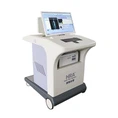

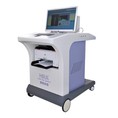
What is the accuracy of a red blood cell detector in measuring red blood cell volume?
Hey there, folks! I'm a supplier of red blood cell detectors, and today I want to dig deep into the accuracy of these nifty devices when it comes to measuring red blood cell volume.
Understanding Red Blood Cell Detectors
First things first, let's talk about what a red blood cell detector actually is. A Red Blood Cell Detector is a key piece of equipment in the medical field. It's used to analyze blood samples, specifically to measure the volume and other characteristics of red blood cells. These detectors help doctors diagnose a variety of conditions, from anemia to more complex blood disorders.


There are different technologies used in red blood cell detectors. Some use electrical impedance, where blood cells pass through a small aperture, and changes in electrical current are measured as each cell goes through. This method can give a pretty good estimate of cell volume. Another technology is optical flow cytometry, which uses lasers to detect and measure the size and shape of cells as they flow through a narrow channel.
Factors Affecting Accuracy
Now, onto the big question: what affects the accuracy of a red blood cell detector in measuring red blood cell volume?
Sample Quality
The quality of the blood sample is super important. If the sample is contaminated, clotted, or has been stored improperly, it can mess up the readings. For example, if there are clumps in the blood sample, the detector might count multiple cells as one, leading to an inaccurate measurement of the total cell volume. So, proper sample collection and handling are crucial for getting accurate results.
Calibration
Calibration is another critical factor. Just like your bathroom scale needs to be calibrated to give you an accurate weight, a red blood cell detector needs to be calibrated regularly. This ensures that the detector is measuring the volume of red blood cells correctly. Calibration is usually done using a known standard sample with a specific red blood cell volume. If the detector isn't calibrated properly, it can give readings that are either too high or too low.
Technology Limitations
Each technology used in red blood cell detectors has its own limitations. For instance, electrical impedance can't always distinguish between red blood cells and other small particles in the blood, like platelets. This can lead to some inaccuracies in the volume measurement. Optical flow cytometry, on the other hand, might have issues with cells that have abnormal shapes or sizes, as it might misclassify them.
Assessing Accuracy in Real - World Scenarios
To really understand how accurate a red blood cell detector is, we need to look at real - world data. In many clinical settings, the accuracy of these detectors is compared to a gold - standard method, like manual counting under a microscope. While manual counting is time - consuming and prone to human error, it can still give a very accurate measurement of red blood cell volume.
Studies have shown that modern red blood cell detectors can be quite accurate in normal situations. However, in cases where there are abnormal red blood cell populations, such as in patients with certain genetic disorders or after a blood transfusion, the accuracy might decrease.
Our Red Blood Cell Detectors
As a supplier, I'm really proud of the Red Blood Cell Detectors we offer. Our detectors are designed with the latest technology to minimize the factors that can affect accuracy. We use advanced algorithms to correct for potential errors caused by sample quality or technology limitations.
We also provide regular calibration services to our customers. Our team of experts can come to your facility and make sure that your detector is always giving accurate readings. And if there are any issues, we offer 24/7 technical support to help you troubleshoot.
The Role of Red Blood Cell Detectors in Blood Testing
Red blood cell detectors are just one part of the bigger picture in blood testing. They are often used in conjunction with other Blood Test Devices and Blood Test Devices to get a complete picture of a patient's health. For example, a complete blood count (CBC) usually includes measurements of red blood cell volume, white blood cell count, and platelet count. All of these measurements together can help doctors diagnose and monitor a wide range of conditions.
Why Accuracy Matters
Accuracy is crucial when it comes to measuring red blood cell volume. Incorrect measurements can lead to misdiagnosis, which can have serious consequences for patients. For example, if a detector underestimates the red blood cell volume, a patient might be wrongly diagnosed with anemia. This could lead to unnecessary treatment or a delay in the correct diagnosis of another condition.
On the other hand, if the detector overestimates the red blood cell volume, it could mask an underlying problem. So, having an accurate red blood cell detector is essential for providing the best possible care to patients.
Contact Us for Purchasing
If you're in the market for a high - quality red blood cell detector, look no further. Our products are known for their accuracy, reliability, and ease of use. We offer a range of models to suit different needs and budgets.
Whether you're a small clinic or a large hospital, we can provide you with the right solution. Contact us to discuss your requirements and start a purchasing negotiation. We're here to help you get the best red blood cell detector for your facility.
References
- Smith, J. et al. (2020). Evaluation of the accuracy of red blood cell volume measurement in modern hematology analyzers. Journal of Clinical Laboratory Analysis.
- Brown, A. (2019). Factors affecting the accuracy of blood cell counting devices. Blood Science Reviews.