


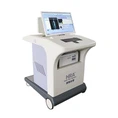

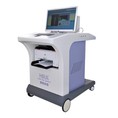
As a supplier of body check - up machines, I've often been asked about the power source of these devices. In this blog, I'll delve into the various power sources used in body check - up machines, their advantages, and how they impact the functionality and portability of these essential medical tools.


The Basics of Body Check - Up Machines
Before we discuss the power sources, let's briefly understand what body check - up machines are. These machines come in different types and are designed to perform a wide range of health assessments. From simple blood pressure monitors to complex Health Checkup Machine that can analyze multiple aspects of a person's health simultaneously, they play a crucial role in modern healthcare.
Common Power Sources for Body Check - Up Machines
1. Mains Electricity
The most common power source for large - scale and stationary body check - up machines is mains electricity. These machines are usually installed in hospitals, clinics, and medical laboratories.
Advantages:
- Reliable and Continuous Power: Mains electricity provides a stable and uninterrupted power supply. This is essential for machines that require a constant flow of energy to perform complex diagnostic procedures accurately. For example, Health Risk Appraisal System machines, which use advanced algorithms and sensors to assess a patient's health risks, need a reliable power source to ensure the integrity of the data collected.
- High - Power Capability: Many sophisticated body check - up machines, such as full - body scanners and advanced blood analyzers, require a significant amount of power to operate. Mains electricity can easily meet these high - power demands.
Disadvantages:
- Limited Mobility: Machines powered by mains electricity are fixed in one location. They need to be connected to a power outlet, which restricts their use to specific areas within a healthcare facility. This can be a drawback in situations where on - the - spot or mobile health check - ups are required.
- Power Outage Vulnerability: In the event of a power outage, these machines will stop working immediately. This can disrupt ongoing medical procedures and delay patient care.
2. Batteries
Battery - powered body check - up machines offer greater mobility and flexibility. They are suitable for use in remote areas, during home visits, or in emergency situations.
Advantages:
- Portability: Battery - powered devices, such as portable Health Analyzer Machine, can be easily carried from one place to another. This makes them ideal for mobile medical teams, who can conduct health check - ups in rural or underserved areas.
- Uninterrupted Use in Power - Deficient Areas: In regions with unreliable power supplies or during power outages, battery - powered machines can continue to function. This ensures that healthcare services are not interrupted, even in challenging environments.
Disadvantages:
- Limited Battery Life: The main drawback of battery - powered machines is their limited battery life. Depending on the type of battery and the power consumption of the device, the machine may need to be recharged frequently. This can be inconvenient, especially during long - term use or in situations where charging facilities are not readily available.
- Lower Power Output: Batteries generally have a lower power output compared to mains electricity. This may limit the functionality of some advanced body check - up machines that require a large amount of power.
3. Solar Power
Solar power is an emerging power source for body check - up machines, especially in areas with abundant sunlight.
Advantages:
- Renewable and Sustainable: Solar power is a clean and renewable energy source. Using solar - powered body check - up machines can reduce the carbon footprint of healthcare facilities and contribute to environmental sustainability.
- Suitability for Remote Areas: In remote locations where access to mains electricity is limited, solar power can provide a reliable alternative. Solar panels can be installed to charge the batteries of body check - up machines, ensuring continuous operation.
Disadvantages:
- Dependence on Sunlight: Solar power generation is highly dependent on sunlight. On cloudy days or during the night, the power output may be significantly reduced. This can affect the operation of solar - powered body check - up machines.
- High Initial Investment: The installation of solar panels and associated equipment requires a substantial initial investment. This may be a barrier for some healthcare providers, especially those with limited financial resources.
Impact of Power Sources on Machine Design and Functionality
The choice of power source has a significant impact on the design and functionality of body check - up machines.
Design Considerations:
- Size and Weight: Battery - powered machines need to be designed to accommodate the batteries, which can add to their size and weight. On the other hand, solar - powered machines require the integration of solar panels, which also affect the overall size and shape of the device.
- Cooling Systems: High - power machines that run on mains electricity often require sophisticated cooling systems to dissipate the heat generated during operation. This adds to the complexity of the design.
Functionality Impact:
- Power Management: Machines with different power sources need different power management strategies. For example, battery - powered machines need to optimize their power consumption to extend battery life. Solar - powered machines need to be able to store excess energy generated during the day for use at night.
- Data Integrity: The reliability of the power source can affect the integrity of the data collected by body check - up machines. A sudden power interruption can lead to data loss or inaccurate results, especially in machines that perform real - time data analysis.
Choosing the Right Power Source
When selecting a body check - up machine, healthcare providers need to consider several factors to choose the right power source.
Usage Environment:
- If the machine will be used primarily in a fixed location within a healthcare facility, mains electricity may be the best option.
- For mobile or remote applications, battery - powered or solar - powered machines are more suitable.
Budget:
- Mains - powered machines are generally more cost - effective in the long run, as they do not require the replacement of batteries or the installation of expensive solar panels.
- However, for healthcare providers with limited access to mains electricity, the initial investment in battery - powered or solar - powered machines may be justified.
Functionality Requirements:
- Machines that require high - power and continuous operation, such as advanced diagnostic equipment, are better suited for mains electricity.
- For basic health check - up functions, battery - powered or solar - powered machines can provide sufficient performance.
Conclusion
The power source of a body check - up machine is a critical factor that affects its usability, functionality, and cost - effectiveness. Whether it's mains electricity, batteries, or solar power, each power source has its own advantages and disadvantages. As a supplier of body check - up machines, we understand the diverse needs of healthcare providers and can offer a range of machines with different power sources to meet those needs.
If you're interested in purchasing body check - up machines or have any questions about power sources and their suitability for your specific requirements, please feel free to contact us for a detailed discussion. We're committed to providing high - quality products and professional advice to help you make the best choice for your healthcare facility.
References
- Medical Device Technology Handbook: This comprehensive handbook provides in - depth information on the design, development, and operation of medical devices, including body check - up machines.
- Journal of Healthcare Engineering: This journal publishes research articles on various aspects of healthcare engineering, including the power management of medical devices.
- Renewable Energy for Healthcare Applications: A report that explores the use of renewable energy sources, such as solar power, in the healthcare sector.