


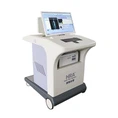

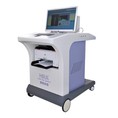
Red blood cell stomatocytosis is a rare but significant blood disorder that can have various implications for a patient's health. As a leading supplier of Red Blood Cell Detector, we are deeply involved in the technological advancements that enable accurate detection of such conditions. In this blog, we will explore how our state - of - the - art red blood cell detectors identify red blood cell stomatocytosis.
Understanding Red Blood Cell Stomatocytosis
Before delving into the detection process, it's essential to understand what red blood cell stomatocytosis is. Stomatocytes are red blood cells with a slit - like or mouth - shaped (stoma) area in the center when viewed under a microscope. This abnormal shape can disrupt the normal function of red blood cells, which primarily involves transporting oxygen from the lungs to the body's tissues and carrying carbon dioxide back to the lungs for exhalation.
There are two main types of stomatocytosis: hereditary and acquired. Hereditary stomatocytosis is caused by genetic mutations that affect the proteins in the red blood cell membrane, leading to abnormal cell shape. Acquired stomatocytosis can be due to various factors such as liver disease, alcoholism, certain medications, or exposure to toxins.
Key Components of Our Red Blood Cell Detector
Our Red Blood Cell Detector is a sophisticated piece of equipment that combines multiple technologies to provide accurate and reliable results. The main components include:
- Sample Handling System: This part of the detector is responsible for collecting and preparing the blood sample. It ensures that the sample is evenly distributed and properly diluted to facilitate accurate analysis. The sample handling system also prevents contamination and maintains the integrity of the sample throughout the testing process.
- Optical Detection Unit: Utilizing advanced optical techniques, this unit examines the red blood cells. It emits light at specific wavelengths through the blood sample and measures the amount of light absorbed, scattered, or transmitted by the cells. Different cell shapes and sizes interact with light in unique ways, allowing the detector to distinguish normal red blood cells from stomatocytes.
- Flow Cytometry Technology: Flow cytometry is a powerful tool in our detector. It allows the cells to pass through a narrow flow cell one by one. As each cell passes through, it is illuminated by a laser beam, and the scattered and fluorescent light signals are detected. These signals provide information about the cell's size, shape, and internal structure. By analyzing the flow cytometry data, we can identify the characteristic features of stomatocytes.
- Data Analysis Software: Once the optical and flow cytometry data are collected, the data analysis software comes into play. It processes the raw data, compares it with a database of known cell profiles, and generates a detailed report. The software can also flag any abnormal results, indicating the presence of stomatocytosis or other blood disorders.
Detection Process
- Sample Collection and Preparation: A small blood sample is taken from the patient using a standard blood collection procedure. The sample is then placed into the detector's sample handling system. Here, it is mixed with a special diluent that helps to separate the cells and maintain their natural state. The sample is also filtered to remove any large debris or clumps that could interfere with the analysis.
- Optical and Flow Cytometry Analysis: The prepared sample is introduced into the optical detection unit and the flow cytometry chamber. The optical unit measures the light - cell interactions, providing initial information about the cell's general characteristics. At the same time, the flow cytometry system analyzes the individual cells as they pass through the laser beam. The combination of these two techniques allows for a comprehensive evaluation of the red blood cells.
- Identification of Stomatocytes: The data analysis software examines the optical and flow cytometry data. It looks for specific patterns and characteristics that are associated with stomatocytes. For example, stomatocytes typically have a distinct light - scattering pattern due to their abnormal shape. They may also show differences in size and internal complexity compared to normal red blood cells. The software compares the observed cell profiles with a library of known stomatocyte profiles to make a positive identification.
- Report Generation: Once the analysis is complete, the detector generates a detailed report. The report includes information about the number of stomatocytes detected, their percentage in the total red blood cell population, and other relevant parameters. It also provides a summary of the results, indicating whether stomatocytosis is present and, if so, the severity of the condition.
Advantages of Our Red Blood Cell Detector
- High Accuracy: Our detector has been extensively tested and validated to ensure high accuracy in detecting red blood cell stomatocytosis. The combination of multiple detection technologies reduces the chances of false positives or false negatives.
- Speed: The detection process is relatively fast, allowing for quick turnaround times. This is crucial in a clinical setting, where timely diagnosis can lead to prompt treatment.
- User - Friendly: The detector is designed to be user - friendly, with intuitive interfaces and easy - to - follow instructions. This makes it accessible to a wide range of healthcare professionals, from laboratory technicians to doctors.
- Comprehensive Analysis: In addition to detecting stomatocytosis, our detector can also provide information about other red blood cell disorders and parameters. This comprehensive analysis helps in a more complete understanding of the patient's blood health.
Importance of Early Detection
Early detection of red blood cell stomatocytosis is vital for several reasons. Firstly, it allows for timely treatment. Depending on the type and severity of stomatocytosis, treatment may involve lifestyle changes, medication, or, in some cases, blood transfusions. Secondly, early detection can help in identifying the underlying cause of the disorder. For example, if acquired stomatocytosis is detected, further investigations can be carried out to determine if it is due to a medical condition or exposure to a toxin.
Applications in Clinical Practice
Our Red Blood Cell Detector has a wide range of applications in clinical practice. It is used in hospitals, clinics, and research laboratories for:
- Diagnosis: To diagnose red blood cell stomatocytosis and other blood disorders accurately.
- Monitoring: To monitor the progression of the disease and the effectiveness of treatment.
- Research: To conduct studies on the prevalence, causes, and treatment of red blood cell disorders.
Comparison with Other Blood Test Device
Compared to other blood test devices on the market, our red blood cell detector offers several unique advantages. Many traditional methods of detecting stomatocytosis rely on manual microscopic examination, which is time - consuming and subject to human error. Our detector, on the other hand, uses automated and advanced technologies to provide more accurate and consistent results.


Some other blood test devices may only focus on a single aspect of blood analysis, while our detector provides a comprehensive evaluation of red blood cells. This makes it a more versatile and valuable tool in the diagnosis and management of blood disorders.
Quality Assurance and Support
As a supplier, we are committed to providing high - quality products and excellent customer support. Our Red Blood Cell Detector undergoes strict quality control measures during the manufacturing process. We also offer regular calibration and maintenance services to ensure the continued accuracy and reliability of the device.
Our team of experts is available to provide training and technical support to our customers. Whether it's installing the detector, troubleshooting issues, or interpreting the results, we are here to help.
Contact Us for Purchase and Consultation
If you are interested in our Red Blood Cell Detector or other Blood Test Device products, we encourage you to contact us. Our sales team is ready to answer your questions, provide detailed product information, and discuss your specific requirements. We can also arrange for a demonstration of the detector so that you can see its capabilities firsthand.
Investing in our high - quality blood test devices can enhance the diagnostic capabilities of your laboratory or healthcare facility. Don't miss the opportunity to improve the accuracy and efficiency of your blood analysis. Contact us today to start the conversation.
References
- Lichtman, M. A., et al. (Eds.). (2016). Williams Hematology. McGraw - Hill Education.
- Greer, J. P., et al. (Eds.). (2018). Wintrobe's Clinical Hematology. Wolters Kluwer.
- van Wijk, R., & van Solinge, W. W. (2005). Hereditary stomatocytosis and allied disorders of red cell volume regulation. Blood Reviews, 19(2), 87 - 104.