


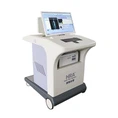

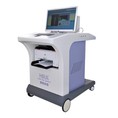
Hey there! As a supplier of blood test devices, I often get asked about the proper storage conditions for these nifty gadgets. In this blog, I'll break down everything you need to know about storing blood test devices to keep them in tip - top shape.
First off, let's talk about why storage conditions matter so much. Blood test devices, like the Blood Test Device, are precision instruments. They're designed to give accurate results, and improper storage can mess with their functionality. If they're not stored correctly, components can degrade, calibration can go haywire, and you might end up with inaccurate test results. And in the medical field, inaccurate results can be a big no - no!
Temperature
Temperature is one of the most crucial factors when it comes to storing blood test devices. Most blood test devices are designed to be stored within a specific temperature range. Generally, a temperature between 2 - 8 degrees Celsius (35.6 - 46.4 degrees Fahrenheit) is ideal for many of these devices. This temperature range helps to preserve the integrity of the device's components, such as sensors and reagents.
Why this range? Well, lower temperatures slow down chemical reactions. In blood test devices, many of the reactions that take place during a test are carefully calibrated. If the temperature is too high, these reactions can speed up, leading to false results. On the other hand, if it's too cold, some components might freeze, which can damage the device.
However, not all blood test devices have the same temperature requirements. Some Blood Test Device models can tolerate a wider temperature range, say between 15 - 30 degrees Celsius (59 - 86 degrees Fahrenheit). It's always important to check the manufacturer's instructions for the specific device you're using or supplying.
Humidity
Humidity is another important aspect of storage. High humidity can cause moisture to accumulate inside the device. This can lead to corrosion of metal parts, short - circuits in electronic components, and the growth of mold and bacteria. For blood test devices, a relative humidity of around 30 - 70% is usually recommended.
To control humidity, you can use dehumidifiers in the storage area. If you're storing the devices in a small space, silica gel packets can also be effective in absorbing excess moisture. On the flip side, extremely low humidity can also be a problem. It can cause some materials to dry out and become brittle, which can affect the device's performance.
Light
Exposure to light, especially direct sunlight, can have a negative impact on blood test devices. Ultraviolet (UV) light can break down certain chemicals in the device, such as reagents. This can lead to inaccurate test results. It's best to store blood test devices in a dark place or in opaque containers. If you have to keep them in a well - lit area, make sure it's with filtered light that has minimal UV radiation.
Cleanliness
The storage area should be clean and free from dust, dirt, and other contaminants. Dust can settle on the device's sensors and affect their accuracy. Regularly clean the storage shelves or cabinets where you keep the blood test devices. You can use a mild, non - abrasive cleaner to wipe down the surfaces.
Also, make sure the storage area is well - ventilated. Stagnant air can trap pollutants and increase the risk of contamination. Good ventilation helps to keep the air fresh and reduces the chances of mold and bacteria growth.
Protection from Physical Damage
Blood test devices are often delicate and can be easily damaged by physical impacts. Store them in a location where they won't be bumped, knocked over, or crushed. You can use padded storage cases or compartments to provide extra protection.
If you're transporting the devices, use proper packaging materials, such as foam inserts and shock - absorbing materials. This will help to prevent any damage during transit.
Special Considerations for Reagents
Many blood test devices use reagents, which are chemicals that react with the blood sample to produce a measurable result. Reagents have their own storage requirements. Some need to be stored at very low temperatures, even in a freezer. Others might be sensitive to air and need to be stored in air - tight containers.
For example, Red Blood Cell Detector devices often use specific reagents that are highly sensitive. Make sure to follow the storage instructions for these reagents carefully. If the reagents are not stored correctly, they can lose their effectiveness, and the test results will be unreliable.
Monitoring and Record - Keeping
Once you've set up the proper storage conditions, it's important to monitor them regularly. Use temperature and humidity sensors to keep track of the environment. Keep a record of the temperature, humidity, and any other relevant factors. This will help you to identify any potential issues early on and take corrective action if necessary.


If you notice any significant changes in the storage conditions, such as a sudden increase in temperature or humidity, investigate the cause immediately. It could be due to a malfunctioning air - conditioning unit, a leak, or some other problem.
Conclusion
Proper storage of blood test devices is essential for maintaining their accuracy and reliability. By paying attention to temperature, humidity, light, cleanliness, physical protection, and reagent storage, you can ensure that your devices are in the best possible condition.
If you're in the market for high - quality blood test devices, we've got you covered. We offer a wide range of Blood Test Device options that are designed to meet the highest standards of performance. Whether you're a hospital, a clinic, or a research facility, we can provide you with the right device for your needs.
If you're interested in learning more about our products or want to discuss a potential purchase, don't hesitate to reach out. We're always happy to have a chat and help you find the perfect blood test device for your requirements.
References
- Manufacturer's manuals for various blood test devices
- Medical device storage guidelines from industry standards organizations