



Are there any health risk assessment devices for people with disabilities?
As a supplier of health risk assessment devices, I often get asked whether there are suitable devices for people with disabilities. The answer is a resounding yes. In fact, the field of health technology has made significant strides in recent years, offering a range of solutions that are both effective and accessible for individuals with various disabilities.
The Need for Health Risk Assessment Among People with Disabilities
People with disabilities face unique health challenges. They may have limited mobility, which can lead to issues such as muscle atrophy, poor circulation, and increased risk of pressure sores. Additionally, certain disabilities may be associated with specific medical conditions, such as diabetes in people with spinal cord injuries or respiratory problems in those with neuromuscular disorders. Regular health risk assessment is crucial for this population as it can help in early detection of potential health issues, allowing for timely intervention and better management of their overall health.

Types of Health Risk Assessment Devices for People with Disabilities
1. Portable and Adjustable Devices
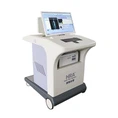
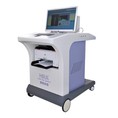
Many modern health risk assessment devices are designed to be portable and adjustable. For example, the Health Risk Assessment Device we offer is compact and can be easily moved to different locations, making it suitable for use in home settings where people with disabilities may be more comfortable. It also has adjustable components, such as the height of the measuring platform and the angle of the sensors, to accommodate individuals with different physical abilities.
2. Non - Invasive Devices
Non - invasive health risk assessment devices are particularly beneficial for people with disabilities. These devices do not require needles or incisions, which can be especially challenging for those with limited dexterity or sensory impairments. Our Full Body Check - Up Machine uses advanced non - invasive technologies, such as bioelectrical impedance analysis and infrared spectroscopy, to assess various health parameters, including body composition, blood pressure, and cholesterol levels, without causing any discomfort to the user.
3. Devices with Assistive Features
Some health risk assessment devices come with assistive features to enhance usability for people with disabilities. For instance, our Health Check - up Machine has a large, high - contrast display with voice prompts, which is ideal for individuals with visual impairments. It also has intuitive controls that can be easily operated with minimal hand movement, making it accessible for those with limited mobility.
Benefits of Using Health Risk Assessment Devices for People with Disabilities
1. Early Detection of Health Issues
By regularly using health risk assessment devices, potential health problems can be detected at an early stage. This allows for prompt medical intervention, which can significantly improve the prognosis and quality of life for people with disabilities. For example, early detection of high blood pressure can prevent the development of more serious cardiovascular diseases.
2. Personalized Health Management
Health risk assessment devices provide detailed information about an individual's health status. This information can be used to develop personalized health management plans, taking into account the specific needs and limitations of people with disabilities. For instance, if a device indicates that a person with a mobility impairment has a high risk of osteoporosis, a tailored exercise and nutrition plan can be developed to improve bone health.

3. Empowerment and Independence
Using health risk assessment devices empowers people with disabilities to take an active role in managing their own health. They can monitor their health parameters regularly at home, without having to rely solely on frequent visits to healthcare facilities. This not only saves time and effort but also enhances their sense of independence and self - confidence.

Challenges and Solutions in Providing Health Risk Assessment Devices to People with Disabilities
1. Affordability
One of the main challenges is the cost of health risk assessment devices. However, as technology advances and production volumes increase, the prices of these devices are gradually becoming more affordable. We also offer flexible payment options and financing plans to make our products more accessible to people with disabilities and their families.
2. Awareness and Education
Many people with disabilities and their caregivers may not be aware of the availability and benefits of health risk assessment devices. To address this issue, we are actively involved in educational initiatives, such as organizing workshops and providing informational materials. We also work closely with healthcare professionals to ensure that they are well - informed about these devices and can recommend them to their patients.
3. Compatibility with Existing Assistive Technologies
Ensuring that health risk assessment devices are compatible with existing assistive technologies, such as wheelchairs and communication devices, is another challenge. Our research and development team is constantly working on improving the compatibility of our devices to ensure seamless integration with other assistive technologies, making it easier for people with disabilities to use them.
Conclusion
In conclusion, there are indeed a variety of health risk assessment devices available for people with disabilities. These devices offer numerous benefits, including early detection of health issues, personalized health management, and empowerment of individuals with disabilities. While there are still some challenges to overcome, such as affordability and awareness, the future looks promising as technology continues to evolve.
If you are interested in learning more about our health risk assessment devices or would like to discuss a potential purchase, please feel free to reach out. We are committed to providing high - quality, accessible health technology solutions for people with disabilities.
References
- World Health Organization. (2011). World report on disability. Geneva: World Health Organization.
- Centers for Disease Control and Prevention. (2023). Health disparities among people with disabilities. Retrieved from [CDC website].
- National Institute on Disability, Independent Living, and Rehabilitation Research. (2022). Research on health and disability. Retrieved from [NIDILRR website].