



Can a blood test device measure blood alcohol content?
As a supplier of blood test devices, I often encounter inquiries about the capabilities of our products, especially regarding their ability to measure blood alcohol content (BAC). In this blog post, I will delve into the science behind blood alcohol measurement, explore the potential of blood test devices in this area, and discuss the implications for various industries.
The Science of Blood Alcohol Measurement
Blood alcohol content is a measure of the amount of alcohol present in a person's bloodstream. It is typically expressed as a percentage, representing the grams of alcohol per 100 milliliters of blood. When a person consumes alcohol, it is absorbed into the bloodstream through the walls of the stomach and small intestine. From there, it is circulated throughout the body, including the brain, where it exerts its effects.
The most common method of measuring BAC is through a breathalyzer test, which measures the amount of alcohol in a person's breath. This method is based on the principle that alcohol is volatile and can be detected in the breath as it is exhaled. Breathalyzer tests are widely used by law enforcement agencies to determine if a person is driving under the influence of alcohol.
However, breathalyzer tests have some limitations. They can be affected by factors such as mouth alcohol, which can give false positive results, and the presence of other substances in the breath, which can interfere with the accuracy of the test. In addition, breathalyzer tests only provide an estimate of BAC, as the relationship between breath alcohol and blood alcohol is not always linear.
Blood tests, on the other hand, provide a more accurate measurement of BAC. They directly measure the amount of alcohol in the blood, rather than relying on an estimate based on breath alcohol. Blood tests are typically more expensive and invasive than breathalyzer tests, but they are also more accurate and reliable.
The Potential of Blood Test Devices in Measuring BAC
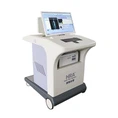
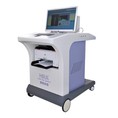
At our company, we offer a range of blood test devices that are designed to provide accurate and reliable measurements of various substances in the blood, including alcohol. Our Blood Test Device is a state-of-the-art device that uses advanced technology to analyze blood samples and provide rapid results.
The device works by using a small needle to collect a blood sample from the patient's finger. The blood sample is then analyzed using a combination of electrochemical and optical sensors to detect the presence and concentration of alcohol in the blood. The results are displayed on a digital screen within minutes, providing a quick and accurate measurement of BAC.
One of the key advantages of our blood test device is its accuracy. Unlike breathalyzer tests, which can be affected by a variety of factors, our blood test device provides a direct measurement of BAC, which is not subject to the same limitations. In addition, our device is designed to be easy to use, making it suitable for a wide range of applications, including medical clinics, research laboratories, and law enforcement agencies.


Another advantage of our blood test device is its portability. The device is small and lightweight, making it easy to transport and use in a variety of settings. This makes it ideal for use in situations where a rapid and accurate measurement of BAC is required, such as at the scene of a traffic accident or in a workplace setting.
Implications for Various Industries
The ability to accurately measure BAC using a blood test device has significant implications for a variety of industries. In the medical field, blood test devices can be used to monitor patients who are undergoing treatment for alcohol addiction or to diagnose alcohol-related health problems. In addition, blood test devices can be used to screen patients for alcohol use disorders, which can help to identify individuals who may benefit from early intervention and treatment.
In the legal field, blood test devices can be used as evidence in court cases involving driving under the influence of alcohol or other alcohol-related offenses. Blood test results are generally considered to be more reliable and accurate than breathalyzer test results, which can help to strengthen the prosecution's case. In addition, blood test devices can be used to determine if a person is too intoxicated to give consent or to make decisions, which can have important implications for issues such as sexual assault and consent.
In the workplace, blood test devices can be used to enforce alcohol policies and to ensure a safe and productive work environment. Many employers have strict policies regarding alcohol use in the workplace, and blood test devices can be used to test employees for alcohol use on a regular basis. This can help to deter employees from using alcohol on the job and can help to identify individuals who may have a problem with alcohol.
Conclusion
In conclusion, blood test devices have the potential to provide a more accurate and reliable measurement of blood alcohol content than breathalyzer tests. Our Blood Test Device is a state-of-the-art device that uses advanced technology to analyze blood samples and provide rapid results. The device is accurate, portable, and easy to use, making it suitable for a wide range of applications, including medical clinics, research laboratories, and law enforcement agencies.
If you are interested in learning more about our blood test device or if you would like to discuss how it can be used in your industry, please do not hesitate to contact us. We would be happy to provide you with more information and to answer any questions you may have.
References
- Jones, A. W. (2006). Blood alcohol analysis. In Principles of forensic toxicology (pp. 213-234). American Academy of Forensic Sciences.
- Watson, W. P., & Watson, R. R. (2003). Alcohol and the liver. In Handbook of nutrition and food (pp. 793-810). CRC Press.
- World Health Organization. (2018). Global status report on alcohol and health 2018. Geneva: World Health Organization.