


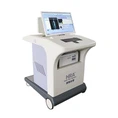

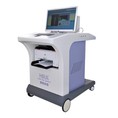
Hey there! I'm a supplier of health risk appraisal systems, and I've been thinking a lot about whether these systems can be used across different cultures. It's a super interesting question, and one that has some pretty big implications for our business and the health of people around the world.
First off, let's talk about what a health risk appraisal system is. Essentially, it's a tool that helps assess a person's risk of developing certain diseases or health conditions based on a variety of factors like their lifestyle, family history, and current health status. These systems can be really useful for both individuals and healthcare providers. For individuals, they can provide valuable insights into their health and help them make informed decisions about lifestyle changes. For healthcare providers, they can assist in early detection and prevention of diseases.
Now, the big question is, can these systems work in different cultures? Well, there are a few things to consider.
Cultural Differences in Health Beliefs
One of the major factors that can affect the use of a health risk appraisal system in different cultures is the difference in health beliefs. Different cultures have their own unique ideas about what causes illness, how to prevent it, and how to treat it. For example, in some cultures, traditional medicine plays a huge role in healthcare, and people may rely more on herbal remedies and spiritual healing than on Western medicine.
This can pose a challenge for a health risk appraisal system that is based on Western medical concepts. If people in a particular culture don't believe in the same risk factors or treatment methods as the system, they may not trust the results or be willing to follow the recommendations. For instance, a system that emphasizes the importance of regular exercise and a balanced diet may not resonate with a culture where physical activity is not highly valued or where traditional diets are very different from what the system recommends.
Language and Communication
Another important aspect is language and communication. A health risk appraisal system typically involves collecting information from the user through questionnaires or interviews. If the system is only available in one language, it may be difficult for people from other cultures to use it effectively. Even if the system is translated, there can still be issues with cultural nuances and idiomatic expressions that may not translate accurately.
For example, some questions in the questionnaire may use medical terms that are not commonly understood in other cultures. This can lead to misunderstandings and inaccurate responses, which in turn can affect the accuracy of the risk appraisal. Additionally, the way information is presented and communicated can also vary across cultures. Some cultures may prefer more detailed and technical information, while others may prefer simple and straightforward explanations.
Data Collection and Representation
The data used in a health risk appraisal system is often based on studies conducted in specific populations. These populations may not be representative of all cultures, which means that the risk factors and algorithms used in the system may not be applicable to other groups. For example, genetic factors can play a role in the development of certain diseases, and these factors can vary significantly across different ethnic groups.
If a system is developed using data from a predominantly Western population, it may not accurately assess the health risks of people from other cultures. This can lead to false positives or false negatives, which can have serious consequences for the individuals being assessed. For instance, a person from a non - Western culture may be incorrectly identified as being at high risk of a disease, causing unnecessary anxiety and potentially leading to over - treatment.
Adaptability of the System
Despite these challenges, I believe that a health risk appraisal system can be used in different cultures with some adaptations. First of all, the system needs to be culturally sensitive. This means taking into account the different health beliefs, values, and practices of different cultures when designing the system. For example, the system could include options for traditional medicine and incorporate cultural factors into the risk assessment.
Secondly, language support is crucial. The system should be available in multiple languages, and the translations should be carefully reviewed to ensure that they are accurate and culturally appropriate. It may also be necessary to provide additional support, such as interpreters or cultural mediators, to help users understand the system and communicate their information effectively.
Finally, the data used in the system should be updated and expanded to include more diverse populations. This can help improve the accuracy of the risk appraisal for people from different cultures. By collaborating with researchers and healthcare providers from around the world, we can collect more data and develop more inclusive algorithms.


Benefits of Using a Health Risk Appraisal System Across Cultures
There are also many benefits to using a health risk appraisal system in different cultures. One of the main benefits is that it can help improve global health. By providing people from different cultures with access to a tool that can assess their health risks, we can help identify health problems early and prevent the development of serious diseases. This can lead to better health outcomes and a reduced burden on the healthcare system.
Another benefit is that it can promote cultural exchange and understanding. When a health risk appraisal system is adapted to different cultures, it can help people learn about different health practices and beliefs. This can lead to a more open - minded approach to healthcare and a greater appreciation for the diversity of medical knowledge around the world.
Our Company's Approach
As a supplier of health risk appraisal systems, we are committed to making our systems as accessible and effective as possible across different cultures. We are constantly working on improving the cultural sensitivity of our system. We have a team of experts who are knowledgeable about different cultures and can help us incorporate cultural factors into the design and development of the system.
We also offer our system in multiple languages and are continuously working on improving the translations. In addition, we are collaborating with researchers from different countries to collect more diverse data and develop more accurate risk assessment algorithms.
If you're interested in learning more about our health risk appraisal system, you can check out our Disease Diagnosis Equipment, Body Check Up Machine, and Full Body Scanner Machine in Hospital. These links will give you more information about the features and capabilities of our products.
If you're a healthcare provider, an organization, or an individual interested in purchasing our health risk appraisal system, we'd love to have a chat with you. We can discuss how our system can be customized to meet the specific needs of your culture or population. Don't hesitate to reach out and start a conversation about how we can work together to improve health around the world.
References
- Betancourt, J. R., Green, A. R., Carrillo, J. E., & Ananeh - Firempong, O. (2003). Defining cultural competence: A practical framework for addressing racial/ethnic disparities in health and health care. Public Health Reports, 118(4), 293 - 302.
- Manson, S. M., & Klein, N. C. (2001). Cultural epidemiology: Beyond the Western paradigm. Annual Review of Anthropology, 30(1), 139 - 162.
- Smedley, B. D., Stith, A. Y., & Nelson, A. R. (Eds.). (2003). Unequal treatment: Confronting racial and ethnic disparities in health care. National Academies Press.