



The advancement of medical technology has brought about a significant shift in healthcare, with the increasing availability of home - use medical devices. One such area of interest is the possibility of using a blood test device at home. As a supplier of blood test devices, I am well - positioned to discuss the feasibility, benefits, and considerations associated with home blood testing.
The Feasibility of Home Blood Testing
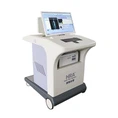
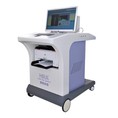
In recent years, the technology behind blood test devices has evolved rapidly. Modern devices are designed to be user - friendly, compact, and capable of providing relatively accurate results. For instance, the Red Blood Cell Detector is a prime example of a device that can perform specific blood tests at home. These devices often utilize advanced sensor technology and microfluidics to analyze blood samples quickly.
Most home blood test devices are based on similar principles to their clinical counterparts. They detect specific markers in the blood, such as glucose levels for diabetes patients, cholesterol, or even certain biomarkers related to infectious diseases. The sample collection process has also been simplified. Typically, it involves a simple finger - prick to obtain a small amount of blood, which is then applied to a test strip or cartridge that is inserted into the device.
Benefits of Using a Blood Test Device at Home
-
Convenience: One of the most significant advantages of home blood testing is the convenience it offers. Instead of making regular trips to a medical laboratory or clinic, individuals can perform the tests in the comfort of their own homes at a time that suits them. This is particularly beneficial for patients with chronic conditions who need to monitor their blood parameters frequently. For example, diabetes patients can check their blood glucose levels multiple times a day without having to disrupt their daily routines.
-
Immediate Results: Home blood test devices provide instant results. This allows individuals to take immediate action based on the results. If a diabetic patient finds that their blood sugar is too high, they can adjust their diet, exercise, or medication right away. In contrast, when getting a blood test at a laboratory, it may take several hours or even days to receive the results.
-
Cost - Effectiveness: Over time, home blood testing can be more cost - effective. Although the initial purchase of a Blood Test Device may seem expensive, in the long run, it can save money on repeated laboratory visits, transportation costs, and time off work.
-
Empowerment and Self - Management: Home blood testing empowers individuals to take control of their own health. By regularly monitoring their blood parameters, they become more aware of their health status and can make informed decisions about their lifestyle and treatment. This self - management approach can lead to better health outcomes in the long term.
Considerations and Limitations
-
Accuracy: While home blood test devices have improved significantly in terms of accuracy, they may not be as precise as laboratory - based tests. Factors such as improper sample collection, device calibration, and environmental conditions can affect the accuracy of the results. It is important for users to follow the manufacturer's instructions carefully and to have their results verified by a medical professional periodically.
-
Limited Test Range: Most home blood test devices are designed to measure a specific set of parameters. For example, a home glucose meter can only measure blood sugar levels. If a comprehensive blood analysis is required, such as a complete blood count or a detailed lipid profile, a laboratory test may still be necessary.
-
Technical Support and Training: Some users may find it challenging to operate the device correctly. Adequate technical support and training are essential to ensure that users can perform the tests accurately. As a blood test device supplier, we offer comprehensive user manuals, online tutorials, and customer support to assist users.
-
Regulatory Compliance: Home blood test devices are subject to regulatory requirements to ensure their safety and effectiveness. It is crucial to choose a device that has been approved by relevant regulatory authorities, such as the Food and Drug Administration (FDA) in the United States.
The Role of a Blood Test Device Supplier
As a supplier of blood test devices, our role goes beyond just selling the products. We are committed to providing high - quality, reliable, and easy - to - use devices. Our Blood Test Device is manufactured in a state - of - the - art facility, adhering to strict quality control standards.
We also focus on research and development to continuously improve the performance and functionality of our devices. Our team of experts is constantly working on developing new features, such as enhanced accuracy, wider test ranges, and connectivity options to allow users to share their results with healthcare providers.
In addition, we offer after - sales service and support. Our customer service team is available to answer any questions users may have about the device, its operation, or the interpretation of results. We also provide regular software updates to ensure that the device remains up - to - date with the latest technological advancements.


Conclusion
The use of a blood test device at home is a viable option for many individuals, especially those with chronic conditions who need to monitor their blood parameters regularly. While there are some limitations and considerations, the benefits of convenience, immediate results, cost - effectiveness, and self - management make home blood testing an attractive alternative to traditional laboratory testing.
As a blood test device supplier, we are dedicated to providing the best possible products and services to meet the needs of our customers. If you are interested in learning more about our blood test devices or would like to discuss a potential purchase, we encourage you to reach out to us. Our team of experts is ready to assist you in finding the most suitable device for your needs.
References
- World Health Organization. "Home - based self - testing for health promotion: A strategic approach." Geneva: World Health Organization, 2018.
- American Diabetes Association. "Standards of Medical Care in Diabetes - 2022." Diabetes Care, vol. 45, no. Suppl 1, 2022.
- U.S. Food and Drug Administration. "Medical Devices: Home Use Tests." Accessed September 2024.