



In the field of medical diagnostics, the red blood cell detector stands as a crucial tool that has revolutionized the way we understand and monitor human health. As a leading supplier of red blood cell detectors, I am excited to delve into the details of what a red blood cell detector is, how it works, and its significance in modern medicine.
What is a Red Blood Cell Detector?
A red blood cell detector is a specialized medical device designed to analyze and quantify red blood cells (RBCs) in a blood sample. Red blood cells are the most abundant cells in the human body, responsible for transporting oxygen from the lungs to the body's tissues and carrying carbon dioxide back to the lungs for exhalation. By accurately measuring the number, size, and characteristics of red blood cells, healthcare professionals can gain valuable insights into a patient's overall health and diagnose various medical conditions.
How Does a Red Blood Cell Detector Work?
There are several methods used in red blood cell detectors, each with its own advantages and limitations. One of the most common techniques is electrical impedance, also known as the Coulter principle. In this method, a blood sample is diluted and passed through a small aperture with an electric current flowing through it. As red blood cells pass through the aperture, they disrupt the electric current, causing a change in voltage that is proportional to the size of the cell. By counting the number of voltage changes and analyzing their magnitude, the detector can determine the number and size distribution of red blood cells in the sample.
Another widely used method is optical detection, which relies on the principle of light scattering. In this technique, a laser beam is directed at the blood sample, and the scattered light is detected by a photodetector. The intensity and angle of the scattered light are related to the size, shape, and internal structure of the red blood cells. By analyzing the scattered light patterns, the detector can provide detailed information about the red blood cell population, including the mean cell volume (MCV), mean cell hemoglobin (MCH), and mean cell hemoglobin concentration (MCHC).
In addition to these traditional methods, some modern red blood cell detectors also incorporate advanced technologies such as flow cytometry and image analysis. Flow cytometry allows for the simultaneous analysis of multiple parameters of individual red blood cells, such as their surface markers and internal components. Image analysis, on the other hand, uses high-resolution cameras to capture images of red blood cells and analyzes them using sophisticated algorithms to provide detailed morphological information.
Significance of Red Blood Cell Detection
The accurate detection and analysis of red blood cells play a vital role in the diagnosis and management of a wide range of medical conditions. Here are some of the key areas where red blood cell detectors are particularly important:
- Anemia Diagnosis: Anemia is a common blood disorder characterized by a decrease in the number of red blood cells or a decrease in the amount of hemoglobin in the blood. By measuring the red blood cell count, hemoglobin concentration, and other parameters, red blood cell detectors can help healthcare professionals diagnose anemia and determine its underlying cause, such as iron deficiency, vitamin B12 deficiency, or chronic disease.
- Blood Disorders Monitoring: Red blood cell detectors are also used to monitor the progression of various blood disorders, such as sickle cell anemia, thalassemia, and polycythemia. By regularly measuring the red blood cell parameters, healthcare providers can assess the effectiveness of treatment and make adjustments as needed.
- Transfusion Medicine: In transfusion medicine, red blood cell detectors are used to ensure the safety and compatibility of blood transfusions. By analyzing the red blood cell antigens and antibodies in the donor and recipient blood, the detector can help prevent transfusion reactions and ensure that the transfused blood is well-matched to the recipient's blood type.
- Health Screening: Red blood cell detection is often included as part of routine health screening tests to assess a person's overall health and detect any potential health problems early on. By measuring the red blood cell parameters, healthcare professionals can identify individuals who may be at risk of developing certain diseases, such as cardiovascular disease, diabetes, or kidney disease.
Our Red Blood Cell Detectors
As a supplier of red blood cell detectors, we are committed to providing high-quality, reliable, and easy-to-use devices that meet the needs of healthcare professionals worldwide. Our detectors are designed using the latest technologies and undergo rigorous quality control testing to ensure accurate and consistent results.


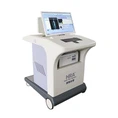
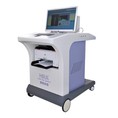
One of our flagship products is the Red Blood Cell Detector, which offers a comprehensive range of features and functions for red blood cell analysis. This detector uses a combination of electrical impedance and optical detection methods to provide accurate and detailed information about the red blood cell population. It can measure a wide range of parameters, including the red blood cell count, hemoglobin concentration, hematocrit, MCV, MCH, MCHC, and red blood cell distribution width (RDW).
In addition to its advanced analytical capabilities, our red blood cell detector is also designed with user convenience in mind. It has a user-friendly interface, intuitive software, and automated sample handling system, making it easy to operate and maintain. It also offers fast and efficient analysis, with results available in just a few minutes.
We also offer a range of Blood Test Devices and Blood Test Devices that are compatible with our red blood cell detectors. These devices include blood collection tubes, reagents, and calibrators, which are essential for accurate and reliable red blood cell analysis.
Contact Us for Purchase and Consultation
If you are interested in purchasing a red blood cell detector or have any questions about our products, please do not hesitate to contact us. Our team of experienced sales and technical support staff will be happy to assist you and provide you with more information about our products and services. We can also arrange for a demonstration of our red blood cell detector at your facility to help you evaluate its performance and suitability for your needs.
In conclusion, the red blood cell detector is a powerful and essential tool in modern medicine. By accurately measuring the number, size, and characteristics of red blood cells, it provides valuable information that can help healthcare professionals diagnose and manage a wide range of medical conditions. As a supplier of red blood cell detectors, we are proud to be at the forefront of this technology and are committed to providing our customers with the highest quality products and services. Contact us today to learn more about our red blood cell detectors and how they can benefit your practice.
References
- Henry's Clinical Diagnosis and Management by Laboratory Methods, 23rd Edition
- Clinical Laboratory Hematology, 4th Edition
- Textbook of Diagnostic Hematology, 6th Edition