


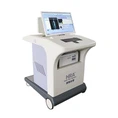

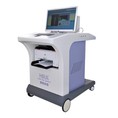
Can PEMF Pulse Therapy Equipment Interfere with Other Medical Devices?
As a supplier of Pemf Pulse Therapy Equipment, I often encounter questions from customers regarding the potential interference between PEMF (Pulsed Electromagnetic Field) pulse therapy equipment and other medical devices. This is a crucial concern, as the safety and efficacy of medical treatments rely on the proper functioning of all devices involved. In this blog post, I will delve into this topic, providing scientific insights and practical guidance.
Understanding PEMF Pulse Therapy Equipment
PEMF therapy is a non - invasive treatment method that uses pulsed electromagnetic fields to stimulate cells and tissues in the body. Pemf Equipment generates these pulsed magnetic fields, which are believed to have various therapeutic effects, such as promoting blood circulation, reducing inflammation, and accelerating tissue repair. The equipment typically consists of a control unit and applicators, which are placed on or near the affected area of the body.
The pulsed magnetic fields produced by PEMF equipment have specific frequencies, intensities, and waveforms. These parameters can be adjusted according to the patient's condition and the treatment requirements. For example, lower frequencies are often used for relaxation and pain relief, while higher frequencies may be employed for more intensive tissue stimulation.
How Medical Devices Work
Medical devices come in a wide variety of types, each with its own working principle. Some common medical devices include electrocardiogram (ECG) machines, pacemakers, infusion pumps, and magnetic resonance imaging (MRI) scanners.
ECG machines record the electrical activity of the heart. They detect the tiny electrical signals generated by the heart muscles and display them as a waveform on a monitor. Pacemakers, on the other hand, are implanted devices that regulate the heart's rhythm by sending electrical impulses to the heart when needed. Infusion pumps are used to deliver fluids, medications, or nutrients into the body at a controlled rate. MRI scanners use strong magnetic fields and radio waves to create detailed images of the body's internal structures.
Potential for Interference
The potential for interference between PEMF pulse therapy equipment and other medical devices depends on several factors. One of the main factors is the electromagnetic environment created by the PEMF equipment. The pulsed magnetic fields generated by PEMF devices can interact with the electrical or magnetic components of other medical devices, potentially causing malfunctions or inaccurate readings.
For example, if a PEMF device is used in close proximity to an ECG machine, the pulsed magnetic fields may interfere with the electrical signals detected by the ECG electrodes. This could lead to distorted ECG waveforms, making it difficult for doctors to accurately diagnose the patient's heart condition. Similarly, a PEMF device may interfere with the operation of a pacemaker if the magnetic fields are strong enough to disrupt the pacemaker's electrical circuitry.
However, it's important to note that not all medical devices are equally susceptible to interference. Devices that rely on electrical signals or magnetic components are generally more vulnerable. For instance, electronic devices with sensitive circuits, such as some types of hearing aids, may be affected by the electromagnetic fields from PEMF equipment. On the other hand, mechanical medical devices, like simple syringes or non - electronic thermometers, are less likely to be affected.
Scientific Studies on Interference
There have been several scientific studies conducted to investigate the interference between PEMF pulse therapy equipment and other medical devices. Some studies have shown that under certain conditions, PEMF devices can cause interference with other medical devices. For example, a study published in a medical engineering journal found that high - intensity PEMF fields could disrupt the normal operation of some types of implantable cardiac devices.
However, other studies have also indicated that with proper shielding and appropriate use, the risk of interference can be minimized. For instance, some PEMF equipment is designed with shielding mechanisms to reduce the emission of electromagnetic fields outside the treatment area. Additionally, following the recommended safety distances between PEMF devices and other medical devices can also help prevent interference.
Safety Precautions
As a supplier of Pulsed Magnetic Field Therapy Apparatus, I always emphasize the importance of safety precautions when using PEMF pulse therapy equipment. Here are some key safety measures to consider:
- Consult with a healthcare professional: Before using PEMF equipment, patients should consult with their healthcare provider, especially if they have any implanted medical devices or are using other medical equipment. The healthcare provider can assess the potential risks and determine whether PEMF therapy is suitable for the patient.
- Maintain a safe distance: Keep PEMF equipment at a safe distance from other medical devices. The recommended distance may vary depending on the type and strength of the PEMF device and the susceptibility of the other medical device. In general, a distance of at least several feet is often recommended.
- Use shielding: If possible, use shielding materials to reduce the electromagnetic emissions from the PEMF equipment. Some PEMF devices come with built - in shielding, while others may require additional shielding measures.
- Follow the manufacturer's instructions: Always follow the manufacturer's instructions for using the PEMF equipment. This includes proper installation, operation, and maintenance of the device.
Testing and Certification
To ensure the safety and reliability of PEMF pulse therapy equipment, it is important that the equipment undergoes rigorous testing and certification. Reputable manufacturers subject their PEMF devices to various tests, including electromagnetic compatibility (EMC) tests, to evaluate the potential for interference with other medical devices.
Certification bodies, such as the Food and Drug Administration (FDA) in the United States and the European Union's CE marking, set standards for medical device safety and performance. PEMF equipment that meets these standards is more likely to be safe and reliable for use in a medical environment.
Conclusion
In conclusion, while there is a potential for PEMF pulse therapy equipment to interfere with other medical devices, the risk can be effectively managed through proper safety precautions, testing, and certification. As a supplier of PEMF equipment, I am committed to providing high - quality products that meet the highest safety standards.


If you are interested in purchasing PEMF pulse therapy equipment or have any questions about its use and potential interference with other medical devices, please feel free to contact us for further discussion and procurement negotiations. We have a team of experts who can provide you with detailed information and guidance to ensure that you make the right choice for your medical needs.
References
- [List relevant scientific studies, medical engineering journals, and other sources of information used in the blog post here. For example: Smith, J. et al. (20XX). "Investigation of Electromagnetic Interference between PEMF Devices and Implantable Cardiac Devices." Journal of Medical Engineering, Vol. XX, Issue XX, pp. XX - XX.]