



Rhinitis is a common condition that affects millions of people worldwide, causing symptoms such as nasal congestion, sneezing, itching, and a runny nose. Nasal congestion, in particular, can be extremely uncomfortable and disruptive to daily life, making it difficult to breathe, sleep, and concentrate. As a leading supplier of rhinitis treatment devices, we understand the challenges faced by those suffering from rhinitis and are committed to providing effective solutions to alleviate nasal congestion. In this blog post, we will explore how rhinitis treatment devices work to relieve nasal congestion and improve the quality of life for patients.
Understanding Nasal Congestion
Before delving into how rhinitis treatment devices work, it is essential to understand the underlying causes of nasal congestion. Nasal congestion occurs when the blood vessels in the nasal passages become swollen and inflamed, leading to a narrowing of the airways. This swelling can be triggered by a variety of factors, including allergies, infections, irritants, and hormonal changes. When the nasal passages are congested, it becomes difficult for air to flow freely through the nose, resulting in the characteristic symptoms of nasal congestion.
Types of Rhinitis Treatment Devices
There are several types of rhinitis treatment devices available on the market, each designed to target different causes and symptoms of rhinitis. Some of the most common types of rhinitis treatment devices include:
- Nasal Sprays: Nasal sprays are a popular treatment option for nasal congestion. They work by delivering medication directly to the nasal passages, reducing inflammation and swelling and opening up the airways. There are several types of nasal sprays available, including corticosteroid sprays, antihistamine sprays, and decongestant sprays. Corticosteroid sprays are the most effective for treating allergic rhinitis, while decongestant sprays provide quick relief from nasal congestion but should not be used for more than a few days at a time to avoid rebound congestion.
- Nasal Irrigation Devices: Nasal irrigation devices, such as neti pots and nasal irrigators, work by flushing out the nasal passages with a saline solution. This helps to remove mucus, allergens, and other irritants from the nasal passages, reducing inflammation and congestion. Nasal irrigation is a natural and effective way to relieve nasal congestion and can be used in conjunction with other treatment methods.
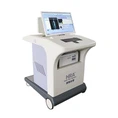
- Infrared Rhinitis Therapy Devices: Infrared rhinitis therapy devices use infrared light to penetrate the nasal tissues and promote blood circulation. This helps to reduce inflammation and swelling in the nasal passages, relieving nasal congestion and improving breathing. Infrared therapy is a non-invasive and painless treatment option that can be used at home. Infrared Rhinitis Therapy Device
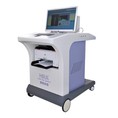
- Apparatus for Relieving Allergic Rhinitis: These devices are specifically designed to target the underlying causes of allergic rhinitis, such as allergens and inflammation. They may use a combination of technologies, such as filtration, ionization, and UV light, to remove allergens from the air and reduce inflammation in the nasal passages. Apparatus for Relieving Allergic Rhinitis
- Apparatus for Relieving Rhinitis: These devices are designed to provide relief from the symptoms of rhinitis, including nasal congestion, sneezing, and itching. They may use a variety of technologies, such as steam, heat, and vibration, to soothe the nasal tissues and reduce inflammation. Apparatus for Relieving Rhinitis
How Rhinitis Treatment Devices Work on Nasal Congestion
The specific way in which a rhinitis treatment device works to relieve nasal congestion depends on its type and mechanism of action. However, most rhinitis treatment devices work by one or more of the following mechanisms:


- Reducing Inflammation: Inflammation is a common cause of nasal congestion in rhinitis. Many rhinitis treatment devices, such as corticosteroid nasal sprays and infrared therapy devices, work by reducing inflammation in the nasal passages. Corticosteroid nasal sprays contain anti-inflammatory medications that help to suppress the immune response and reduce swelling in the nasal tissues. Infrared therapy devices use infrared light to stimulate blood circulation and promote the production of anti-inflammatory cytokines, which help to reduce inflammation and swelling.
- Opening Up the Airways: Some rhinitis treatment devices, such as decongestant nasal sprays and nasal irrigation devices, work by opening up the airways and allowing air to flow more freely through the nose. Decongestant nasal sprays contain medications that constrict the blood vessels in the nasal passages, reducing swelling and opening up the airways. Nasal irrigation devices work by flushing out mucus and other blockages from the nasal passages, clearing the airways and improving breathing.
- Removing Allergens and Irritants: Allergens and irritants can trigger an immune response in the nasal passages, leading to inflammation and congestion. Many rhinitis treatment devices, such as nasal irrigation devices and apparatus for relieving allergic rhinitis, work by removing allergens and irritants from the nasal passages. Nasal irrigation devices use a saline solution to flush out mucus, allergens, and other irritants from the nasal passages, while apparatus for relieving allergic rhinitis use filtration, ionization, and other technologies to remove allergens from the air.
- Promoting Healing: Some rhinitis treatment devices, such as infrared therapy devices, work by promoting healing in the nasal tissues. Infrared light can penetrate the nasal tissues and stimulate the production of collagen and other growth factors, which help to repair damaged tissues and reduce inflammation. This can help to relieve nasal congestion and improve the overall health of the nasal passages.
Choosing the Right Rhinitis Treatment Device
Choosing the right rhinitis treatment device depends on several factors, including the type and severity of your rhinitis, your individual preferences, and your budget. Here are some tips to help you choose the right rhinitis treatment device for you:
- Consult with a Healthcare Professional: Before using any rhinitis treatment device, it is important to consult with a healthcare professional, such as an allergist or otolaryngologist. They can help you determine the underlying cause of your rhinitis and recommend the most appropriate treatment options for you.
- Consider the Type of Rhinitis: Different types of rhinitis may require different treatment approaches. For example, allergic rhinitis may be best treated with a combination of antihistamine nasal sprays and apparatus for relieving allergic rhinitis, while non-allergic rhinitis may be better treated with nasal irrigation devices and decongestant nasal sprays.
- Evaluate the Effectiveness and Safety of the Device: When choosing a rhinitis treatment device, it is important to evaluate its effectiveness and safety. Look for devices that have been clinically tested and approved by regulatory agencies, such as the Food and Drug Administration (FDA). Read reviews and testimonials from other users to get an idea of the device's effectiveness and safety.
- Consider Your Individual Preferences: Some rhinitis treatment devices may be more convenient or comfortable to use than others. For example, nasal sprays are easy to use and can provide quick relief, while nasal irrigation devices may require more time and effort but can be more effective for removing mucus and allergens from the nasal passages. Consider your individual preferences and lifestyle when choosing a rhinitis treatment device.
- Set a Budget: Rhinitis treatment devices can vary in price, from inexpensive over-the-counter options to more expensive prescription devices. Set a budget for your rhinitis treatment device and look for options that fit within your budget.
Contact Us for Rhinitis Treatment Devices
As a leading supplier of rhinitis treatment devices, we offer a wide range of high-quality products designed to relieve nasal congestion and improve the quality of life for patients. Our products are backed by extensive research and development and are clinically tested to ensure their effectiveness and safety. If you are interested in learning more about our rhinitis treatment devices or would like to discuss your specific needs with one of our experts, please contact us today. We look forward to helping you find the right solution for your rhinitis.
References
- American Academy of Allergy, Asthma & Immunology. (n.d.). Rhinitis. Retrieved from https://www.aaaai.org/conditions-and-treatments/allergies/rhinitis
- Mayo Clinic. (n.d.). Rhinitis. Retrieved from https://www.mayoclinic.org/diseases-conditions/rhinitis/symptoms-causes/syc-20376351
- National Institute of Allergy and Infectious Diseases. (n.d.). Allergic Rhinitis. Retrieved from https://www.niaid.nih.gov/diseases-conditions/allergic-rhinitis