


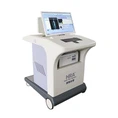

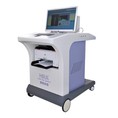
Hey there! As a supplier of red blood cell detectors, I often get asked about the precision of these devices when it comes to analyzing red blood cell sub - populations. In this blog, I'm gonna break it down for you.
First off, let's talk about why analyzing red blood cell sub - populations is so important. Red blood cells aren't just a homogenous group. They have different characteristics and functions based on their sub - populations. For example, some red blood cells might be younger, more flexible, and better at carrying oxygen, while others could be older and less efficient. By analyzing these sub - populations, doctors can get a more detailed picture of a patient's health. It can help in diagnosing diseases like anemia, sickle cell anemia, and other blood - related disorders.
Now, the precision of a red blood cell detector in analyzing these sub - populations is crucial. A high - precision detector can provide accurate and reliable results, which are essential for making the right medical decisions. But what factors affect this precision?
One of the main factors is the technology used in the detector. Our Red Blood Cell Detector uses state - of - the - art flow cytometry technology. Flow cytometry works by passing cells through a laser beam one by one. As each cell passes through the laser, it scatters light in different directions. The detector then measures the intensity and angle of this scattered light, as well as the fluorescence if the cells are labeled with fluorescent dyes. This information can be used to distinguish between different red blood cell sub - populations based on their size, shape, and internal structure.
The accuracy of the flow cytometry technology depends on a few things. The quality of the laser and the detectors themselves is important. High - quality components can detect even the slightest differences in light scattering and fluorescence, which allows for more precise identification of sub - populations. Also, the calibration of the device is crucial. We make sure that our detectors are regularly calibrated to ensure that the results are as accurate as possible.
Another factor that affects precision is the sample preparation. Before the blood sample is analyzed, it needs to be prepared properly. This includes diluting the sample to the right concentration and adding the appropriate dyes or markers if necessary. If the sample preparation is not done correctly, it can lead to inaccurate results. For example, if the sample is too concentrated, the cells might clump together, and the detector won't be able to analyze them individually. On the other hand, if the sample is too diluted, there might not be enough cells to get a representative analysis.
Our Blood Test Device comes with detailed instructions on sample preparation. We also offer training to our customers so that they can prepare the samples correctly. This helps to ensure that the precision of the analysis is maintained.
The software used in the detector also plays a big role in precision. Our device uses advanced software algorithms to analyze the data collected by the flow cytometry. These algorithms can identify and classify different red blood cell sub - populations based on multiple parameters. They can also filter out any noise or artifacts in the data, which improves the accuracy of the results.
The software is constantly updated to incorporate the latest research and findings in the field of red blood cell analysis. This means that our detector can adapt to new knowledge and provide more precise results over time.
Let's talk about some real - world applications. In a clinical setting, the precision of our red blood cell detector can make a huge difference. For example, in the diagnosis of anemia, doctors need to know the exact composition of the red blood cell sub - populations. Our detector can accurately measure the percentage of different types of red blood cells, such as reticulocytes (young red blood cells). An increase in reticulocytes might indicate that the body is trying to produce more red blood cells to compensate for a loss, which could be due to bleeding or other causes.
In research, the precision of our detector is also highly valued. Scientists can use our device to study the development and function of different red blood cell sub - populations. They can track how these sub - populations change under different conditions, such as in response to a drug treatment or a disease.
When it comes to comparing our detector with other products on the market, we believe that our precision is one of our key selling points. We've conducted numerous tests and comparisons, and our detector consistently shows high levels of accuracy in analyzing red blood cell sub - populations.
We also offer excellent customer support. If you have any questions about the precision of our detector or how to use it, our team of experts is always ready to help. We understand that you rely on our device to get accurate results, and we're committed to providing you with the best possible service.
If you're in the market for a red blood cell detector, we encourage you to consider our Blood Test Device. We're confident that our product can meet your needs in terms of precision and reliability. Whether you're a hospital, a research laboratory, or a diagnostic center, our detector can be a valuable addition to your equipment.
If you're interested in learning more about our red blood cell detector or have any questions regarding purchasing and procurement, feel free to reach out. We're eager to start a conversation and discuss how our device can fit into your operations.


References
- Principles of Flow Cytometry. Murphy RF. Wiley - Liss; 2005.
- Clinical Laboratory Hematology. Rodak BF, Carr JH. F.A. Davis Company; 2017.