


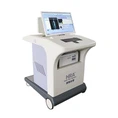

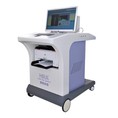
When it comes to blood testing, one of the critical factors that both medical professionals and patients often overlook is the sample volume required for a blood test device. As a supplier of Blood Test Device, I have witnessed firsthand the importance of this parameter in ensuring accurate and efficient testing. In this blog post, I will delve into the significance of sample volume, the factors that influence it, and how it impacts the performance of blood test devices.


The Significance of Sample Volume
The sample volume for a blood test device is not a trivial matter. It directly affects the accuracy, reliability, and efficiency of the test results. A sufficient sample volume is necessary to ensure that there are enough cells and substances in the sample for the device to detect and analyze. If the sample volume is too low, the test may not be able to detect certain analytes or may produce inaccurate results due to insufficient material. On the other hand, an excessive sample volume can lead to longer processing times, increased costs, and unnecessary discomfort for the patient.
Accuracy is paramount in blood testing, as the results are used to diagnose diseases, monitor treatment progress, and make critical medical decisions. A proper sample volume helps to ensure that the test can detect even trace amounts of analytes, such as biomarkers for diseases like cancer or infectious agents. For example, in the case of Red Blood Cell Detector, an adequate sample volume is needed to accurately count the number of red blood cells and measure their characteristics, which are essential for diagnosing anemia and other blood disorders.
Factors Influencing Sample Volume
Several factors influence the sample volume required for a blood test device. These include the type of test, the technology used in the device, the sensitivity of the assay, and the patient population.
- Type of Test: Different blood tests require different sample volumes. For instance, a complete blood count (CBC) typically requires a larger sample volume compared to a glucose test. This is because a CBC measures multiple parameters, such as the number of red blood cells, white blood cells, and platelets, as well as their different subtypes. In contrast, a glucose test only measures the concentration of glucose in the blood, which can be accurately determined with a smaller sample volume.
- Technology Used in the Device: The technology employed in the blood test device also plays a crucial role in determining the sample volume. Some devices use more advanced and sensitive technologies that can detect analytes with a smaller sample volume. For example, microfluidic-based devices can manipulate and analyze small volumes of blood with high precision, reducing the amount of sample required. On the other hand, traditional devices may require larger sample volumes due to their lower sensitivity and efficiency.
- Sensitivity of the Assay: The sensitivity of the assay used in the blood test device is another important factor. A more sensitive assay can detect lower concentrations of analytes, which means that a smaller sample volume may be sufficient. However, increasing the sensitivity of an assay often comes at the cost of increased complexity and cost. Therefore, a balance needs to be struck between sensitivity and sample volume to ensure both accuracy and cost-effectiveness.
- Patient Population: The patient population can also influence the sample volume required. For example, pediatric patients may have smaller blood volumes, and it may be more challenging to obtain a large sample. In such cases, blood test devices that require a smaller sample volume are preferred to minimize the discomfort and risk to the patient. Similarly, elderly patients or those with certain medical conditions may have fragile veins, making it difficult to draw a large amount of blood.
Impact on Device Performance
The sample volume has a direct impact on the performance of blood test devices. A proper sample volume ensures that the device can operate within its optimal range, providing accurate and reliable results. If the sample volume is too low, the device may not be able to detect all the analytes or may produce inconsistent results. This can lead to false negatives or false positives, which can have serious consequences for patient care.
In addition to accuracy, sample volume also affects the speed and efficiency of the testing process. A larger sample volume may require longer processing times, especially if the device needs to perform multiple steps or analyses. This can delay the availability of test results, which is particularly critical in emergency situations. On the other hand, a smaller sample volume can reduce the processing time and increase the throughput of the device, allowing for more tests to be performed in a shorter period.
Balancing Sample Volume and Patient Comfort
As a blood test device supplier, we understand the importance of balancing the sample volume requirements with patient comfort. Drawing blood can be a stressful and uncomfortable experience for many patients, especially those who are afraid of needles or have a history of difficult blood draws. Therefore, we strive to develop devices that require a minimal sample volume while still maintaining high accuracy and performance.
Our Blood Test Device is designed with the latest technology to ensure that it can provide accurate results with a small sample volume. This not only reduces the discomfort for the patient but also makes the testing process more convenient and efficient. By minimizing the amount of blood required, we can also reduce the risk of complications associated with blood draws, such as bruising, hematoma, and infection.
Conclusion
In conclusion, the sample volume required for a blood test device is a critical parameter that affects the accuracy, reliability, and efficiency of the test results. As a blood test device supplier, we are committed to developing devices that can provide accurate results with a minimal sample volume, taking into account the needs of both medical professionals and patients.
If you are interested in learning more about our blood test devices or would like to discuss your specific requirements, we encourage you to contact us for a procurement negotiation. Our team of experts is ready to assist you in finding the best solution for your blood testing needs.
References
- [List of relevant scientific papers or industry reports related to blood test device sample volume]