


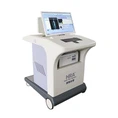

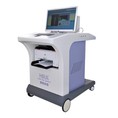
Hey there! As a supplier of red blood cell detectors, I often get asked about the lifespan of these nifty devices. It's a question that's super important for both medical professionals and folks who are just curious about how these things work. So, let's dive right in and explore what the lifespan of a red blood cell detector is all about.
First off, what exactly is a red blood cell detector? Well, it's a crucial piece of equipment used in medical labs and clinics. It helps doctors and technicians figure out the number, size, and other important details of red blood cells in a blood sample. This info is key for diagnosing all sorts of health conditions, like anemia, infections, and even some types of cancer. You can learn more about these amazing devices on our Red Blood Cell Detector page.
Now, let's talk about the lifespan. The lifespan of a red blood cell detector can vary quite a bit, depending on a bunch of factors. One of the biggest factors is how often it's used. If a detector is in a busy hospital lab where it's running tests non - stop, it's going to have a different lifespan compared to one that's used only occasionally in a small clinic.
On average, a well - maintained red blood cell detector can last anywhere from 5 to 10 years. But that's just a ballpark figure. Some detectors might last longer, while others might need to be replaced sooner.
Let's break down the different aspects that can affect the lifespan of these devices.
1. Quality of the Detector
The quality of the detector when it's first made plays a huge role. High - quality detectors are built with better materials and more advanced technology. They're designed to withstand the wear and tear of regular use. At our company, we pride ourselves on providing top - notch Blood Test Device that are made to last. We use the latest manufacturing techniques and the best components to ensure our detectors have a long and reliable lifespan.
2. Maintenance and Care
Just like a car needs regular oil changes and tune - ups, a red blood cell detector needs proper maintenance. This includes regular cleaning, calibration, and replacement of parts when necessary. If a detector isn't maintained properly, it can start to malfunction, and its lifespan will be significantly reduced.
For example, the sensors in a red blood cell detector are very sensitive. If they get dirty or damaged, they won't be able to accurately detect red blood cells. So, it's important to follow the manufacturer's maintenance schedule and use the right cleaning products.
3. Usage Patterns
As I mentioned earlier, how often a detector is used matters a lot. A detector that's used once a week is going to last longer than one that's used 24/7. In a high - volume lab, the detector is constantly processing blood samples, which means more stress on its components.
Also, the type of samples it processes can affect its lifespan. If the detector is regularly analyzing samples with a high concentration of abnormal cells or contaminants, it might wear out faster.
4. Technological Advancements
The field of medical technology is advancing at a breakneck pace. New and improved red blood cell detectors are being developed all the time. Sometimes, even if a detector is still working fine, it might become obsolete because newer models offer better features and more accurate results.
For instance, a detector that was state - of - the - art 5 years ago might not have the same level of accuracy or efficiency as a brand - new one. In some cases, medical facilities might choose to replace their old detectors with newer models to stay on top of the latest technology.
Extending the Lifespan of a Red Blood Cell Detector
If you're a medical professional or a lab manager, you probably want to get the most out of your red blood cell detector. Here are some tips to help extend its lifespan:


- Regular Maintenance: Follow the manufacturer's maintenance schedule religiously. This includes cleaning, calibration, and part replacements.
- Proper Training: Make sure the staff using the detector are properly trained. Incorrect usage can cause unnecessary wear and tear on the device.
- Use Quality Supplies: Use high - quality reagents and consumables. Cheap or low - quality supplies can damage the detector and affect its accuracy.
- Keep it in a Good Environment: Red blood cell detectors are sensitive to temperature, humidity, and dust. Keep the detector in a clean, well - ventilated area with stable environmental conditions.
When to Replace a Red Blood Cell Detector
Even with the best maintenance, there comes a time when a red blood cell detector needs to be replaced. Here are some signs that it might be time for a new one:
- Inconsistent Results: If the detector is giving inconsistent or inaccurate results, even after calibration, it could be a sign that it's reaching the end of its lifespan.
- Frequent Breakdowns: If the detector is constantly breaking down and requiring repairs, it might be more cost - effective to replace it.
- Outdated Technology: If the detector no longer meets the needs of your lab in terms of accuracy, speed, or features, it's probably time to upgrade.
As a supplier of red blood cell detectors, we understand the importance of having a reliable and long - lasting device. We offer a wide range of Blood Test Device that are designed to meet the needs of different medical facilities. Whether you're a small clinic or a large hospital, we have the right detector for you.
If you're interested in learning more about our red blood cell detectors or are thinking about purchasing one, don't hesitate to reach out. We'd be happy to discuss your specific requirements and help you find the perfect detector for your lab. We can also provide you with more information about our maintenance services and support.
In conclusion, the lifespan of a red blood cell detector can vary depending on several factors, but with proper care and maintenance, you can expect it to last for many years. So, take good care of your detector, and it will serve you well in your medical diagnostic needs.
References
- Principles of Medical Instrumentation, John G. Webster
- Medical Device Technology: Design and Development, Robert B. Cooke